• Skip to primary navigation
  • Skip to main content
  • Skip to primary sidebar

Hyams Garden Center and Accent Store

Serving Greater Charleston Area with Quality, Variety & Professionalism since 1981

  • Garden Center
    • Plants
    • Fountains, Statuary and Garden Décor
    • Planters & Pots
    • Garden Supplies
    • Hyams Gift Cards
  • Gardening Wisdom
    • Hear the Flowers Whisper
    • What does the Gardener say?
  • Services
    • Delivery and Planting
    • Fountain Installations
    • Custom Designed Pots, Containers & Window Boxes
    • Diagnostic Center
    • Special Orders
    • Christmas Tree Delivery & Set up
  • Accent & Gift Store
    • Home Décor & Gift Items
    • Life like Botanicals and Flowers
    • Wreaths, Bows & Ribbons
    • Candles
    • Seasonal Décor
    • Christmas Décor
    • Greeting Cards for All Occasions
    • Hyams Gift Cards
  • About Us
    • Location and Hours of Operation
    • Contact Us
    • Meet Our Team
  • Inventory
    • Bedding Plants
    • Bulbs
    • Fruit Trees & Plants
    • Garden Supplies
    • Hanging Baskets
    • Nursery
    • Topiaries
    • Trees
    • Tropicals
    • Vegetables & Herbs
    • Water Plants

Gardening Wisdom

November 23, 2020 By Hyams Garden Center

Keeping the Christmas tree Fresh, Fragrant and Safe

How to have a perfect Christmas tree and keep it fresh, fragrant and safe?

Here is what you do with a North Carolina Fraser Fir Christmas Tree:

Make a Fresh Cut straight across the base of the tree, cut off approximately one half inch before placing tree in stand.

Use a stand that will hold a gallon of water or more

Check Water often, Keep the stand full

A tree may take up a gallon of water in the first 24 hours and a quart a day after that. Preservatives are not needed,  just plenty of fresh water.

Place tree away from heat sources, heating vents, fire places, wood stoves, radiators and sunny windows

Check lights and cords for broken bulbs and frayed wiring.

Do not overload electric circuits

Turn off lights before leaving home or going to bed.

Remember, a fresh cut, plenty of water, and a bit of common sense is all it takes to enjoy your North Carolina Fraser Fir.

Have a Joyous Holiday Season.

Visit us on the web: www.ncchristmastrees.com

Information courtesy of NCSU Cooperative Extension and North Carolina Dept. of Agriculture & Consumer Services
Filed Under: Christmas Décor, Gardening Wisdom, Home Décor, Seasonal Décor, What Does the Gardener Say? Tagged With: Christmas Trees, Fraser Fir Christmas Trees

October 10, 2020 By Hyams Garden Center

Colors of Autumn

Every year the month of October ushers in colors of autumn across the American landscape. Capturing the American Spirit of this unique time of the year Poet Carl Sandburg (1878 – 1967) paints the colors of autumn in the following way:

I spot the hills

With yellow balls in autumn.

I light the prairie cornfields

Orange and tawny gold clusters

And I am called pumpkins.

On the last of October

When dusk is fallen

Children join hands around me

Singing ghost songs

And love to the harvest moon;

I am a jack-o’-lantern

With terrible teeth

And the children know

I am fooling.

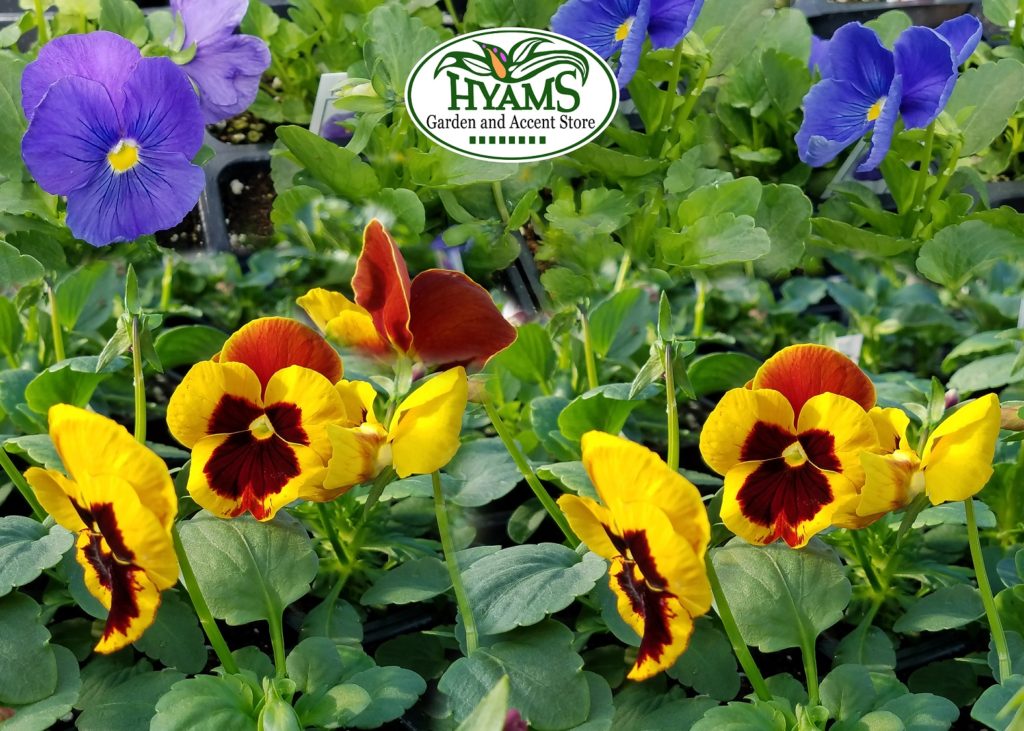
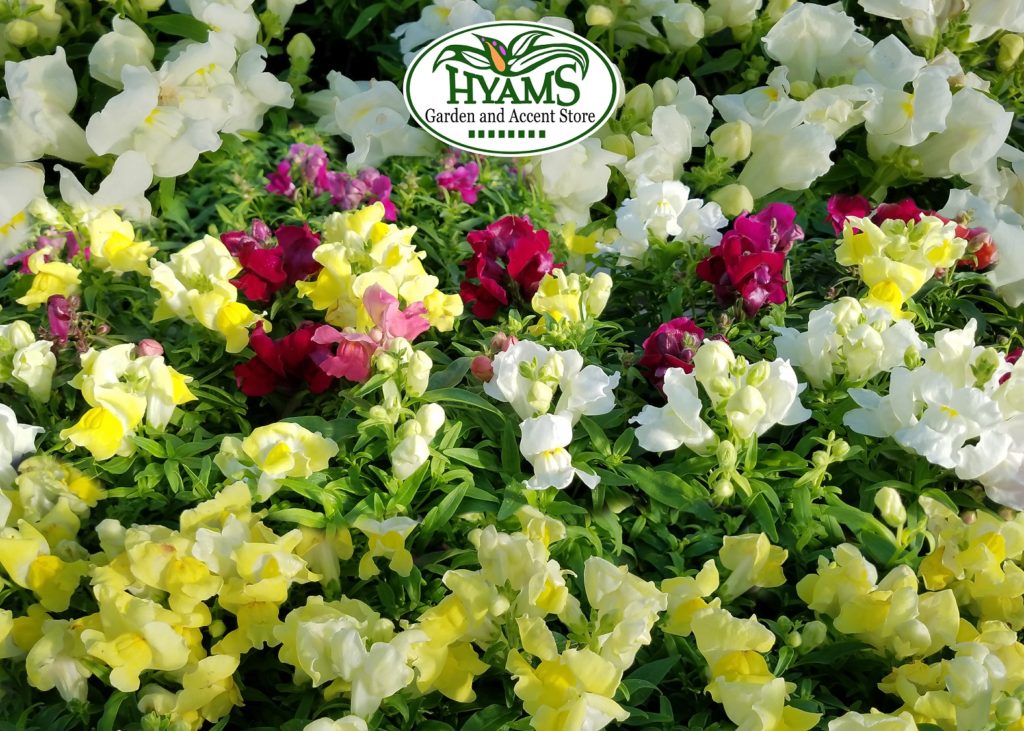
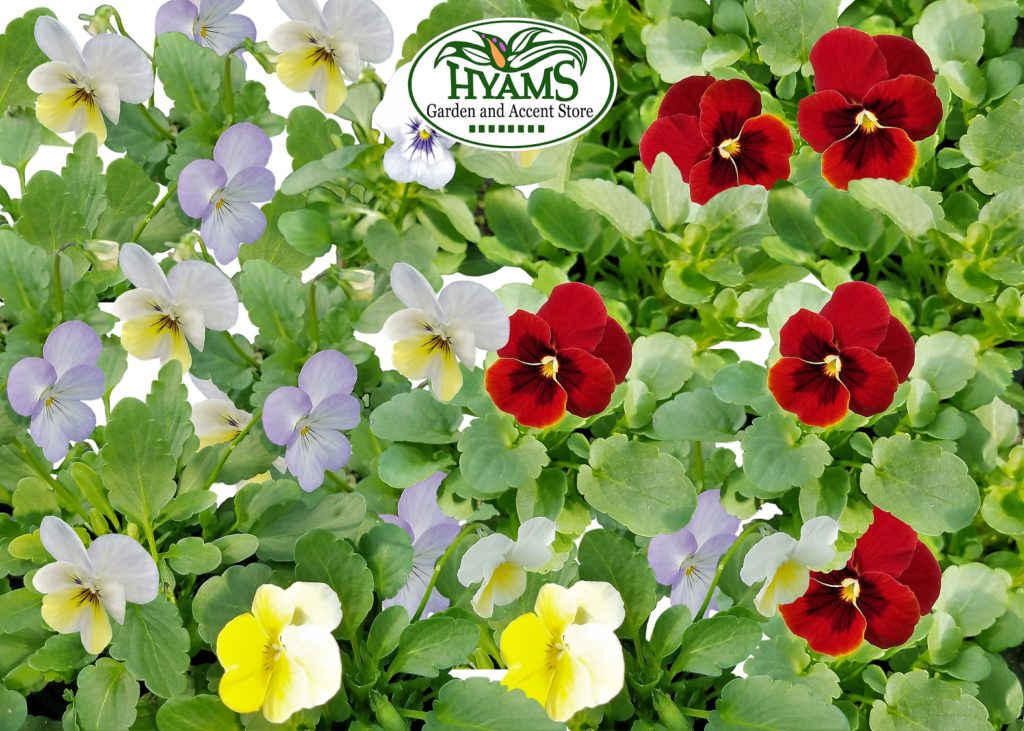
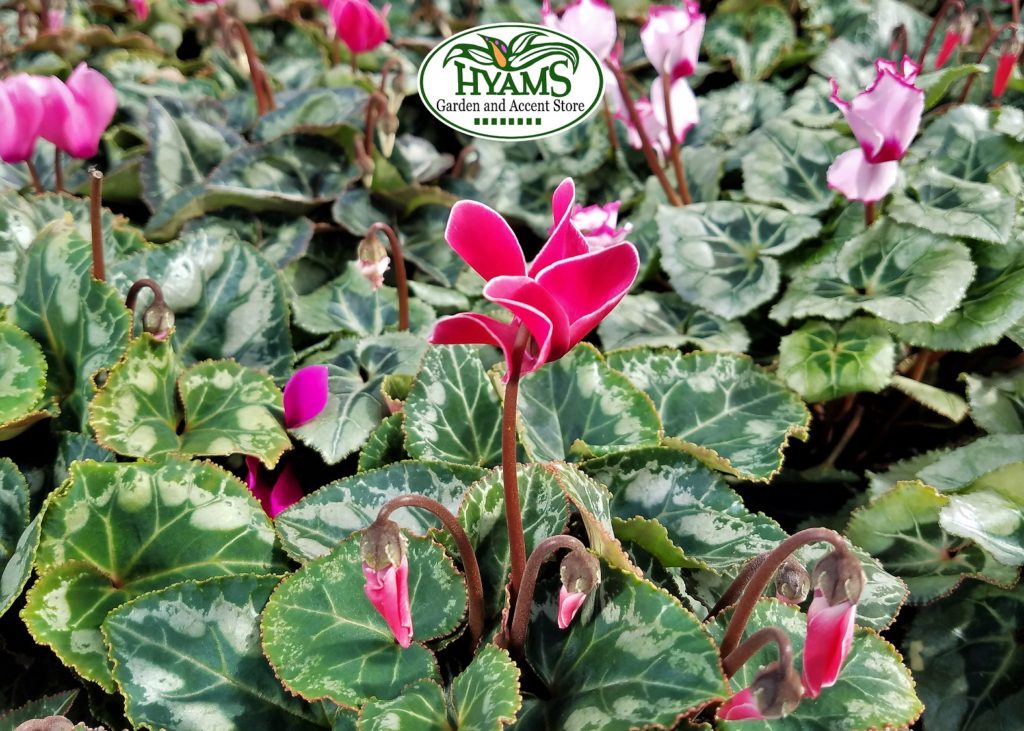
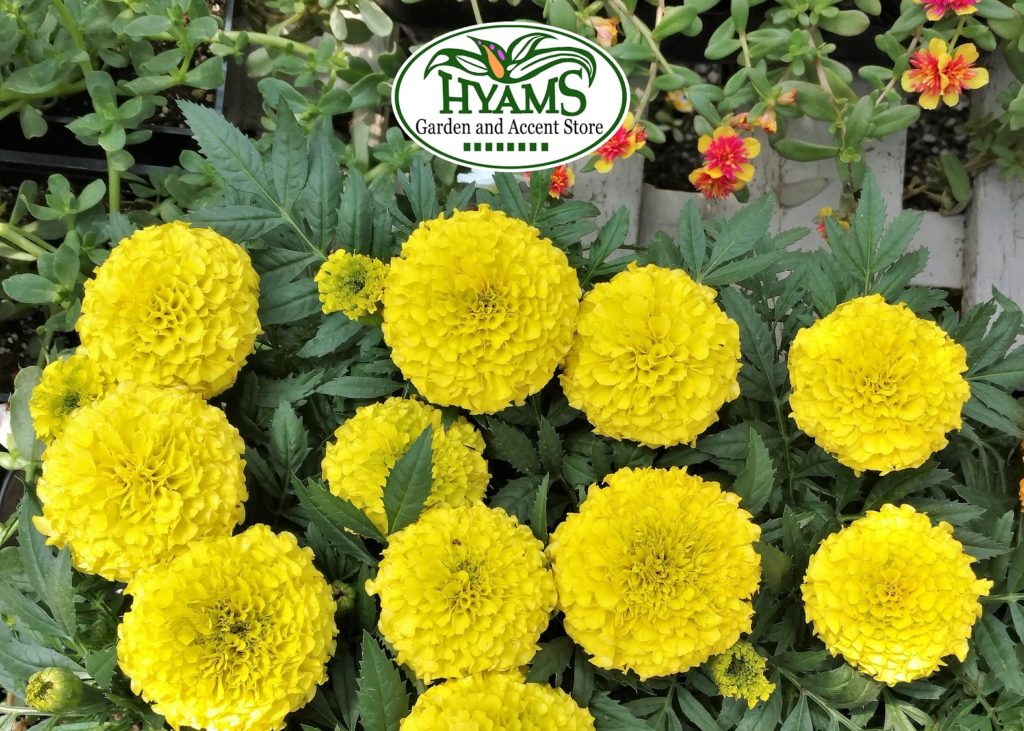
With the arrival of October, Hyams Garden Center tries to pass on the same excitement that Carl Sandburg, a champion of the American Spirit, felt about the approaching Halloween and Thanksgiving. Do visit our Garden Center to buy Halloween décor, crotons, cyclamen, pansies, violas, mums, snap dragons, marigolds and a lot more other attractive spooky décor and plants to usher the spirit of the season into your homes and gardens.  

Cyclamen
Marigold
Pansies
Snap Dragon
Viola

Filed Under: Hear the Flowers Whisper!

October 3, 2020 By Hyams Garden Center

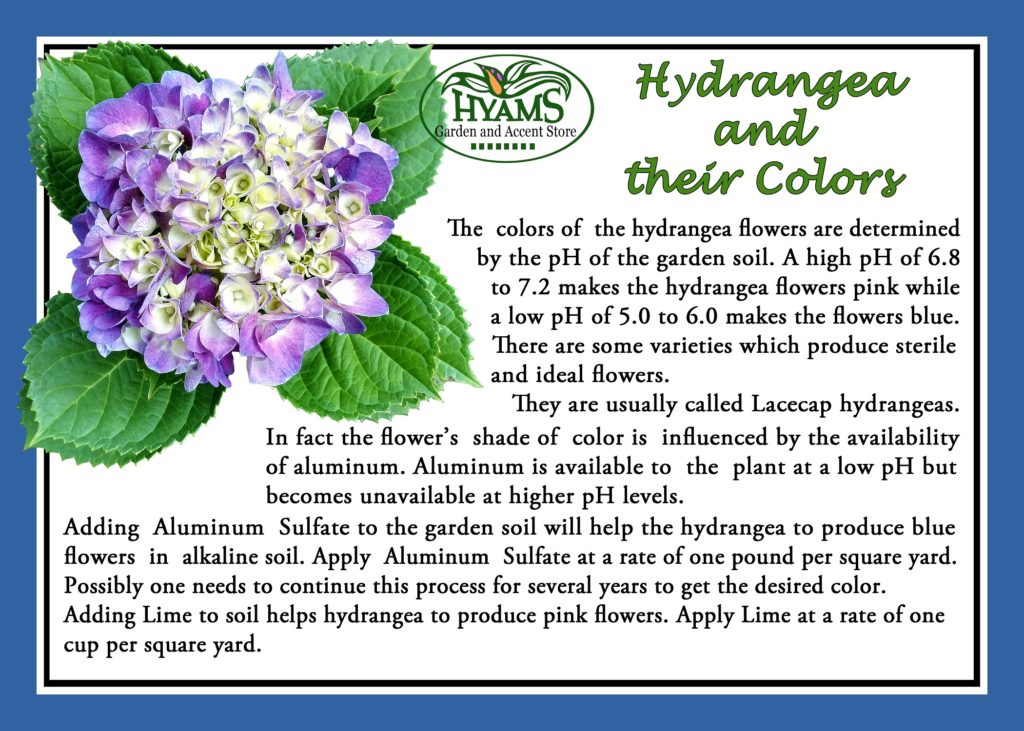
Maintaining a Healthy Hydrangea

The beautiful Hydrangea is a spectacular, colorful, floral display that adds charm and grace to any summer garden. Hydrangea derived its name from two Greek words, namely, hydr (water) and angeion (vessel). Water vessel is such a fitting name for hydrangea as this flower requires constant moisture to stay happy, healthy and blooming.  However, getting the balance right is crucial to its health and survival.

There are some common signs and symptoms to look for in order to provide the best environment for your Hydrangea to thrive.

  1. Leaf Curl indicates that the plant has either been water deprived or is suffering from a disease.
  2. A sudden onset of ‘Yellowing of Leaves’ which then turn brown and fall off can indicate three things, namely, (a) the plant has become too dry; (b) the plant has become too wet; (c) the plant has received too much fertilizer.

Any of these three events can cause damage to the plant’s root system. If a plant has dried out, thoroughly soak the root ball, then make sure the soil is able to drain well. Allow time for soil to dry out slightly before the next watering. If conditions are favorable, roots will regenerate. A plant should be healthy before adding any fertilizer. Too much fertilizer can burn roots causing leaves to brown.

3. Leaf Spots are usually caused by fungus or bacteria.

(a) Cercospora Leaf Spot – Caused by a fungus, produces purple or brown colored leaf spots at the base of the plant.

(b) Anthracnose – Caused by a fungus, creates large brown, yellowish or black spots on leaves and flowers. If not properly attended to, this can be fatal to a hydrangea. Remove and destroy infected plant parts to discourage spreading of spores.

(c) Leaf Rust – Caused by a waterborne fungus, Pucciniastrum hydrangea, creates orange spots on the undersides of leaves.

(d) Bacterial Leaf Spots – Caused by the pathogen Xanthomonas campestris, produces spots that are either red or purple in color usually appearing on the leaves at the base of the plant. Spots by the leaf veins have an angular appearance.

4. Powdery Mildew – Caused by a fungus, appears as a powdery gray coating on leaves.

For fungal and bacterial mitigation, make sure there is enough air circulation around the plant. Cut back dried blooms and affected leaves. Keep the ground under the plant free from dead leaf and bloom debris. Water plant at the base rather than overhead to discourage moisture accumulation on the leaves. Fungicides can also be used. Apply in Spring and Mid-Summer. Application frequency depends on the severity of the case. Consult the product packaging for details.

BONIDE Revitalize Biofungicide is a broad-spectrum preventive biofungicide and bactericide. It utilizes the power of a naturally occurring beneficial bacterium, Bacillus amyloliquefaciens strain D747, to control and suppress fungal and bacterial diseases in plants. This bacterium triggers the plant’s immune response to fight off pathogens. It will also colonize plant roots, which prevents fungi and bacteria from establishing there.

Diseases controlled by this product:

Anthracnose (Colletotrichum species), Bacterial leaf blights, spots and specks (Erwinia, Pseudomonas and Xanthomonas species), Black Mold, Brown Spot, Black Crown Rot (Alternaria species). Black Spot of roses (Diplocarpon rosae), Gray Mold, Botrytis blight, Fruit Rot (Botrytisspecies), Leaf spots (Alternaria, Cercospora, Entomosporium, Helminthosporium, Myrothecium and Septoris species) and Powdery Mildews. (Podosphaera, Erysiphe, Golovinomyces, Sphaerotheca and Oidium species; Uncinula necator, Oidiopsis taurica and Leveillula taurica).

Filed Under: Gardening Tips, Gardening Wisdom, What Does the Gardener Say?

June 24, 2020 By Hyams Garden Center

Diseases of the Lawn

Now is a good time to get the jump on lawn diseases. Besides applying fungicides there are several cultural practices that can help prevent them. Three most common diseases that affect the lawns are: gray leaf spot, brown patch and dollar spot. The beauty of a lawn can be quickly destroyed by these fungal diseases.

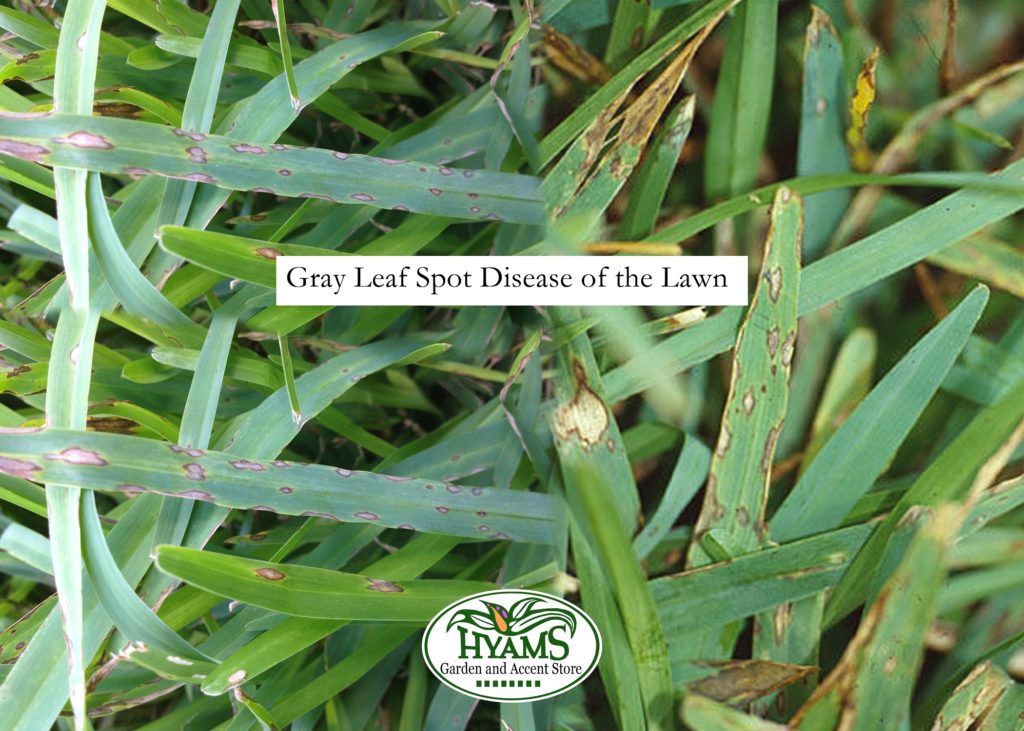
Gray Leaf Spot on St. Augustine grass

Gray leaf spot is a fungal disease that occurs most commonly on St. Augustine grass. The initial leaf spots are small and brown, but they expand rapidly into large, oval or elongate, tan to gray leaf spots, which are surrounded by purple or brown borders. A yellow halo may surround some of the spots, or a general leaf yellowing may occur.

During warm, humid weather the fungus produces a grayish mycelium (cottony fungal growth) and numerous spores on dying foliage, which gives a grayish appearance to the spots. Blades of grass will wither and die if leaf spots are numerous. Under favorable conditions for disease development, large areas of turf may appear to be scorched, resembling extreme drought stress.

Gray leaf spot is favored when temperatures are between 77 and 86 °F during the day and above 65 °F at night, and is most severe during rainy, humid periods. The fungus survives dry summer conditions as fungal mycelium and spores on dead foliage and in the thatch layer. When favorable conditions of moisture and high humidity return during the summer, the fungus produces an abundance of spores that are spread by wind, splashing rainfall or irrigation, and the movement of lawn equipment on wet grass.

How to Manage Gray Leaf Spot Disease of the Lawn?

  • Reduce thatch layer.
  • Irrigate deeply, but infrequently. This generally means one time per week with one inch of water. Always irrigate in the morning, which promotes quick drying of the foliage.
  • Avoid using post-emergent weed killers on the lawn while the disease is active.
  • Avoid medium to high nitrogen fertilizer levels.
  • Improve air circulation and light level on lawn. Limb up over-hanging trees and prune back nearby shrubs.
  • Mow at the proper height and only mow when the grass is dry. Bag and dispose of grass clippings if disease is present.
  • Control chinch bug infestations.
  • Use fungicide treatments as needed along with proper turf grass culture.

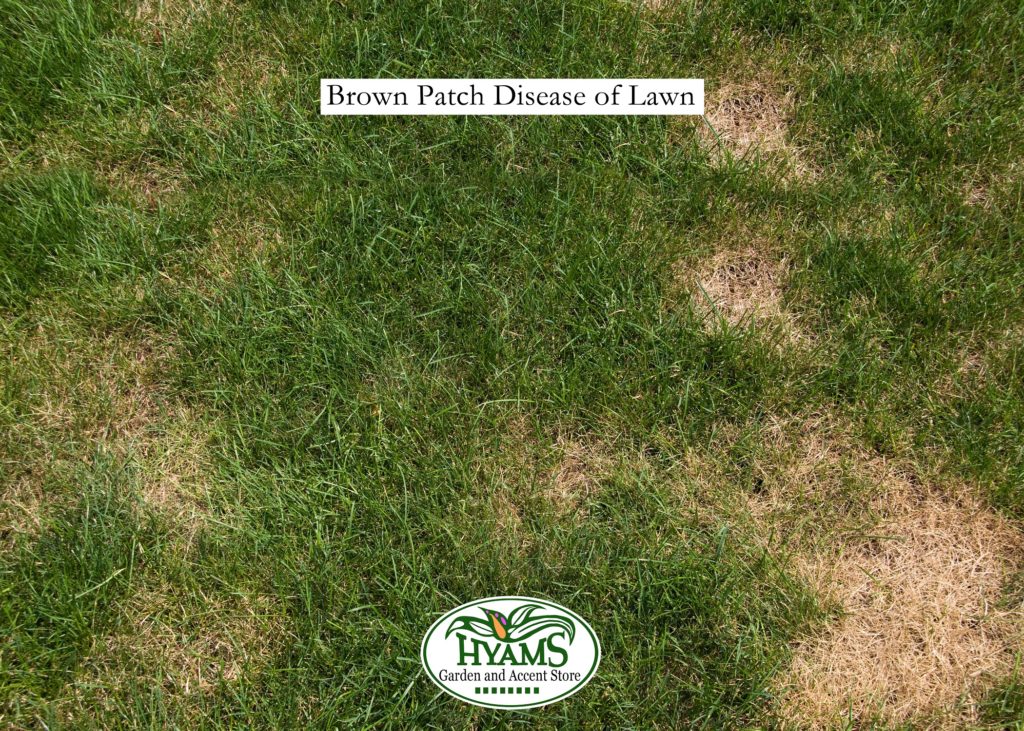
Brown Patch and Large Patch Diseases of Lawns

Brown patch and large patch are serious fungal diseases (each caused by different strains of Rhizoctonia solani) that can affect all South Carolina lawn grasses. Disease can develop rapidly when daytime temperatures are warm (75 to 90 °F) and humid, nighttime temperatures are above 60 ºF, and there is an extended period of leaf wetness. Generally, symptoms of brown patch begin on cool-season grasses (tall fescue, ryegrass, bluegrass and bent grass) during the late spring. It may also occur on these grasses during warmer periods of the winter months. Warm-season grasses (St. Augustine grass, zoysia grass, Bermuda grass and centipede grass) most commonly are affected by large patch (formerly also known as brown patch) during the early spring and late fall.

Symptoms of brown and large patch diseases may vary greatly with the type of grass and soil conditions. The diseases usually cause thinned patches of light brown grass that are roughly circular in shape. These areas range in diameter from a few inches to several feet. Often the center of the patch will recover, resulting in a doughnut-shaped pattern.

When disease conditions are favorable, large areas of the lawn may be uniformly thinned and eventually killed with no circular patch being evident. This type of pattern is commonly seen on infected St. Augustine grass grown in shady, moist locations.

All types of warm-season or cool-season lawn grasses grown in South Carolina can be affected by large patch or brown patch, respectively.

Prevention & Treatment of Brown Path Disease of the Lawn

The best way to prevent brown patch or large patch in the home lawn is by following good lawn care practices. This is much easier and less expensive than the use of fungicides and can be very effective.

  • Avoid high rates of nitrogen fertilizer on cool-season grasses in the late spring and summer. Avoid high nitrogen rates on warm-season grasses in mid to late fall or in early spring. The disease-causing fungus readily attacks the lush growth of grass which nitrogen promotes. Avoid fast-release forms of nitrogen fertilizer.
  • Irrigate grass only when needed and to a depth of 4 to 6 inches (generally 1 inch of irrigation water per week), but do not subject the lawn to drought conditions. Water early in the morning. This disease can spread fast when free moisture is present, especially greater than 10 hours.
  • Avoid spreading the disease to other areas. Remove clippings if the weather is warm and moist to prevent spread to other areas during mowing.
  • Keep lawns mowed on a regular basis to the proper height for the grass species you are growing. Lower than optimum mowing height can increase disease severity. Do not mow fescue lawns shorter than 2½ inches high, nor higher than 3½ inches. Mow centipede at 1½ inches high.
  • Provide good drainage for both surface and subsurface areas. Correct soil compaction by core aeration. Prevent excessive thatch buildup.
  • Have the soil tested and apply lime according to test recommendations. Disease may be more severe if the soil pH is less than 6.0. Keep potassium (K) level at upper end of sufficient rating on soil test.

Fungicides can be difficult to rely upon for controlling brown patch and large patch in the home lawn, but regular applications can vastly improve appearance. A good “rule of thumb” to follow on either cool- or warm-season grasses is to initiate fungicide sprays when nighttime low temperatures reach 60 °F. Stop applications when nighttime lows are forecast to be below 60 °F for five consecutive days. Typically, applications are made at 14- to 28-day intervals, depending upon the fungicide. If disease is severe enough to warrant chemical control, select one of the following fungicides listed in Table 1.

It will help in disease control to alternate fungicides used with subsequent applications to prevent a buildup of resistance to a fungicide. Slightly better control may be obtained by a liquid fungicide application rather than by granular application of the same fungicide active ingredient. Granular fungicides must be irrigated after application (follow label directions).

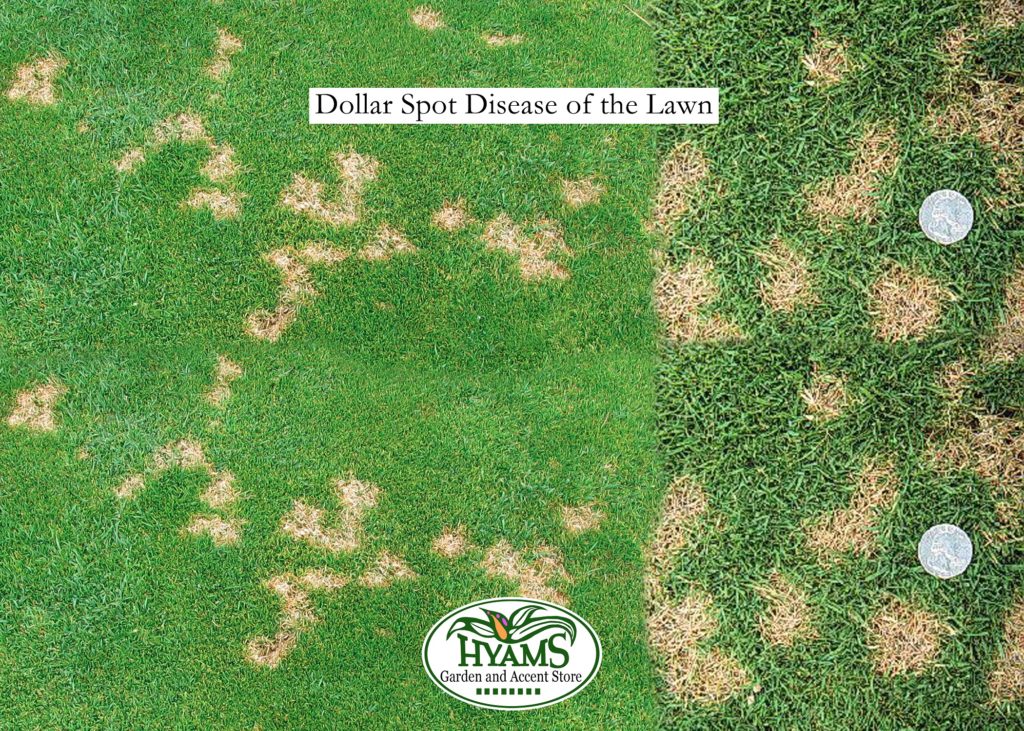
Dollar Spot Disease of the Lawns

Dollar spot is caused by a fungus. It causes straw-colored spots about the size of a silver dollar (2 to 6 inches diameter) to appear on closely mowed turf. Grass in affected areas may die and the spots may merge to form larger, irregular patches. In coarse textured grass that is cut high, the dead spots are larger and more diffuse. Leaf blades have light tan spots with reddish-brown margins that develop across the leaves. Early in the morning you may be able to see a cobweb-like growth of the fungus over the infected area.

Dollar spot most commonly occurs on Bermuda grass, zoysia grass and centipede grass. Dollar spot is most active from late spring through fall. The fungus develops during humid weather, when daytime temperatures are warm (59 to 86 °F) and nights are fairly cool. These conditions result in heavy dew forming on the grass.

Prevention & Treatment of Dollar Spot Disease:

Adequate fertilization will help the lawn overcome this disease. Prevent thatch buildup and remove excess thatch. Avoid drought stress by watering the lawn deeply, and thoroughly when needed, timing irrigation for early morning. Remove morning dew if possible by mowing or irrigating the lawn. Fungicide applications may be needed during moist weather in the spring and fall, when day temperatures are between 70 to 80 °F. For the home lawn, fungicides that give good control of dollar spot should contain propiconazole, azoxystrobin with propiconazole, or triadimefon. Always apply all chemicals according to directions on the product label.

[For more information go to Clemson Cooperative Extension Home and garden Information Center at http://hgic.clemson.edu/]

Filed Under: Diagnostic Center, Gardening Tips, Gardening Wisdom, What Does the Gardener Say?

  • « Go to Previous Page
  • Page 1
  • Interim pages omitted …
  • Page 10
  • Page 11
  • Page 12
  • Page 13
  • Page 14
  • Page 15
  • Go to Next Page »

Primary Sidebar

Find us on Facebook

Hyams Garden & Accent Store

Recent Posts

  • Flowers to Bring Home in March
  • Grow an Early Vegetable Patch
  • March in the Lowcountry: What to do in the Garden?

Categories

  • Accent and Gift Store
  • Bedding Plants
  • Candles
  • Christmas Décor
  • Christmas Room
  • Christmas Tree Delivery and Set Up
  • Custom Designed Containers, Pots, Window Boxes and Baskets
  • Deliveries and Plantings
  • Diagnostic Center
  • Everyday Gift Items
  • Featured Articles
  • Festive Décor for Various Seasons
  • Fountain Installations
  • Fountains
  • Garden Center
  • Garden Store
  • Gardening Supplies
  • Gardening Tips
  • Gardening Wisdom
  • Green House
  • Hear the Flowers Whisper!
  • Home and Garden Accents
  • Home Décor
  • Join Our Team
  • Life like Botanicals and Flowers
  • Nursery
  • Outdoor Décor
  • Planters and Pots
  • Seasonal Décor
  • Services
  • Special Orders
  • Uncategorized
  • What Does the Gardener Say?
  • Wreathes, Bows and Ribbons

Copyright © 2026 HyamsGardenCenter.com