Hey everyone, I hope you’re having a great Spring! If you haven’t fertilized yet, the time is here. It looks like everyone’s grass has greened up enough to tolerate an application of Ferti-lome 15-0-15 Centipede Lawn Fertilizer or something similar. It is a good formulation to ease all warm season grasses into fully greening up including St. Augustine, Zoyzia and Bermuda. Please hold off using any “weed and feed” products as the herbicide component could burn the new grass shoots. A strong healthy grass will choke out many of the weeds you may have now. If needed you could apply a weed and feed after the grass is fully greened up, and we have those on hand. We will have pre-emergents later in the month to apply around Memorial Day to prevent the dreaded Chamberbitter and Virginia Buttonweed. Selective herbicides like Image Kills Nutsedge can be applied after your grass is fully greened to control other problematic weeds. I have had several folks come in with some fungal issues and we have Scotts DiseaseEX on hand as well as a couple of other products. I hope these suggestions help you have a lawn you can be proud of! (Randy Howie)
What Does the Gardener Say?
Caring for Orchids
Orchids are tropical plants that take on many different forms depending on variety. Some orchids are difficult to grow while others flourish with little care.
Lighting: In the home, orchids need maximum light (not direct sunlight). Proper light levels can be determined by the color of the leaves. A healthy orchid in proper lighting has foliage that is light to medium green.
Temperature: In the home, cool temperatures will help guard against dehydration. Most orchids are happy with medium temperatures at 55-65 degrees at night.
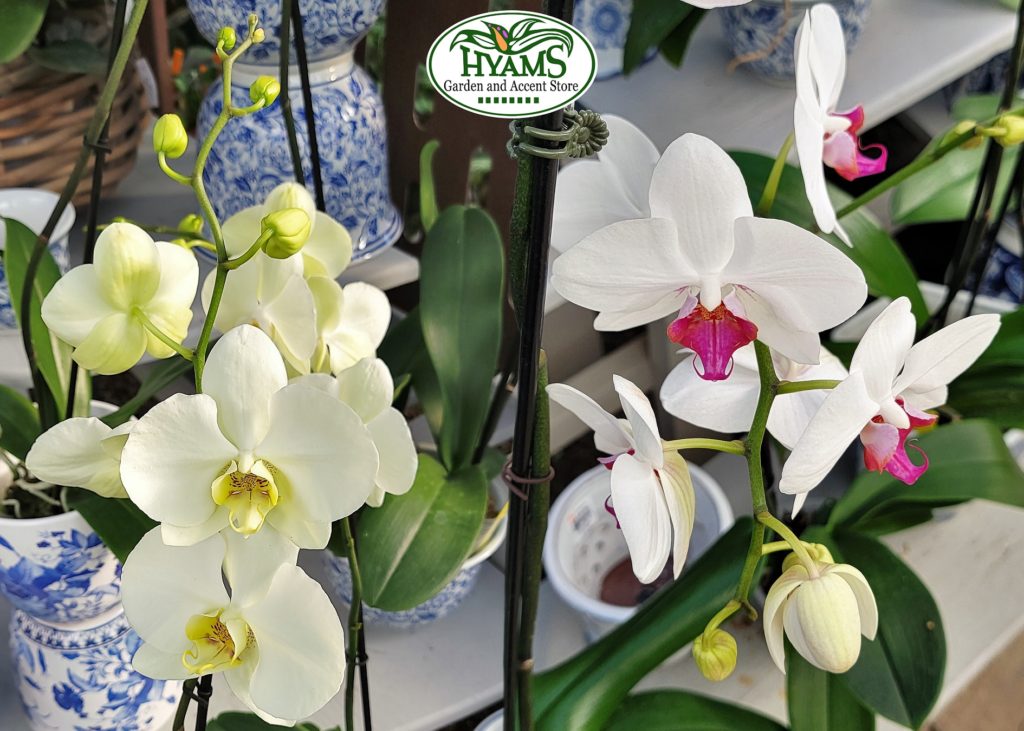
Moisture: It is best to water orchids thoroughly and wait until the surface is relatively dry before watering again. Orchids in fir bark mixes needs watering no more than once every 5-7 days. Generally, orchids with a thick fleshy stem and leaves need less water than orchids with thin, more delicate foliage. Always water your orchid in the morning to allow foliage to dry before night.
Fertilizing: Orchids are not heavy eaters and can be safely fertilized once a month with a water-soluble urea free fertilizer. Always water, as mentioned above, (in the morning), before fertilizing and remembering it is better to under fertilize.
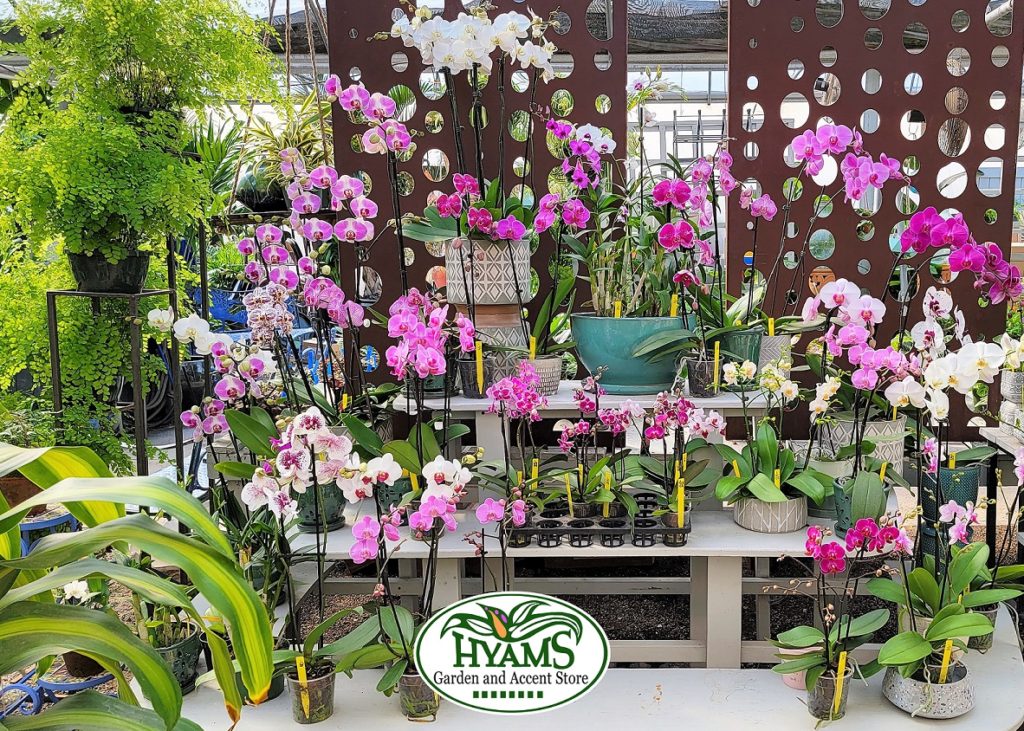
Humidity: Increasing humidity levels around orchids aids in their success while growing indoors. Using humidity trays or trays of wet gravel around or under plants can add to the desired amount of moisture to the air around them; however, be careful to keep the orchid pots bottom above the water level.
Soil: Potting mixes for orchids vary, but most are loose mixtures of organic materials such as fir bark, and/or osmunda fiber, with small amounts of peat, perlite, cork, or charcoal. The object is to have a mix that drains well, but maintains some moisture. Repotting is usually only needed once every two or three years.
Insects: Mealy bugs, aphids and scales are the most frequent pests to be found on orchid plants. Outdoors these pests can simply be washed off. Indoors, further measures may be necessary. Eight is a chemical pesticide that will help control these pests. If you are looking for a pesticide alternative, rubbing alcohol can be sprayed on plants, blooms and buds.
Re-blooming: In the fall and spring, when the outside night temperature is between 50-60 degrees, Phalaenopsis plants can be outside in a covered area in the shade for 2-3 weeks. Temperatures at night should be 15-25 degrees cooler than day temperatures. All orchids benefit from a day-night drop of 10 degrees or more.
Winter Blooms in Charleston
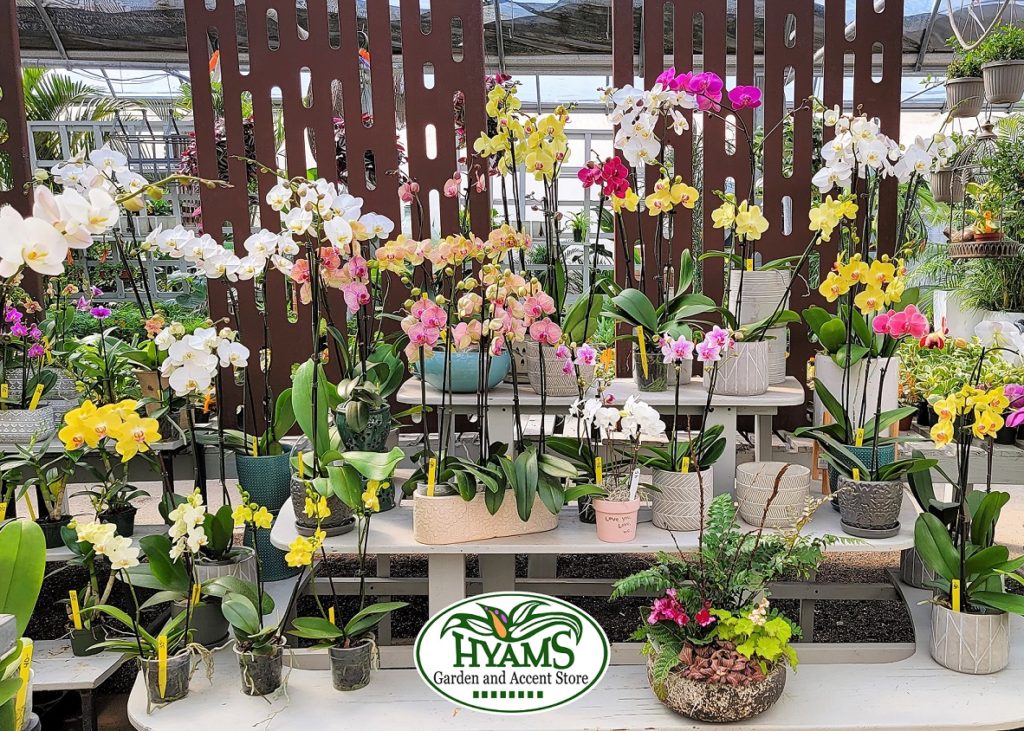
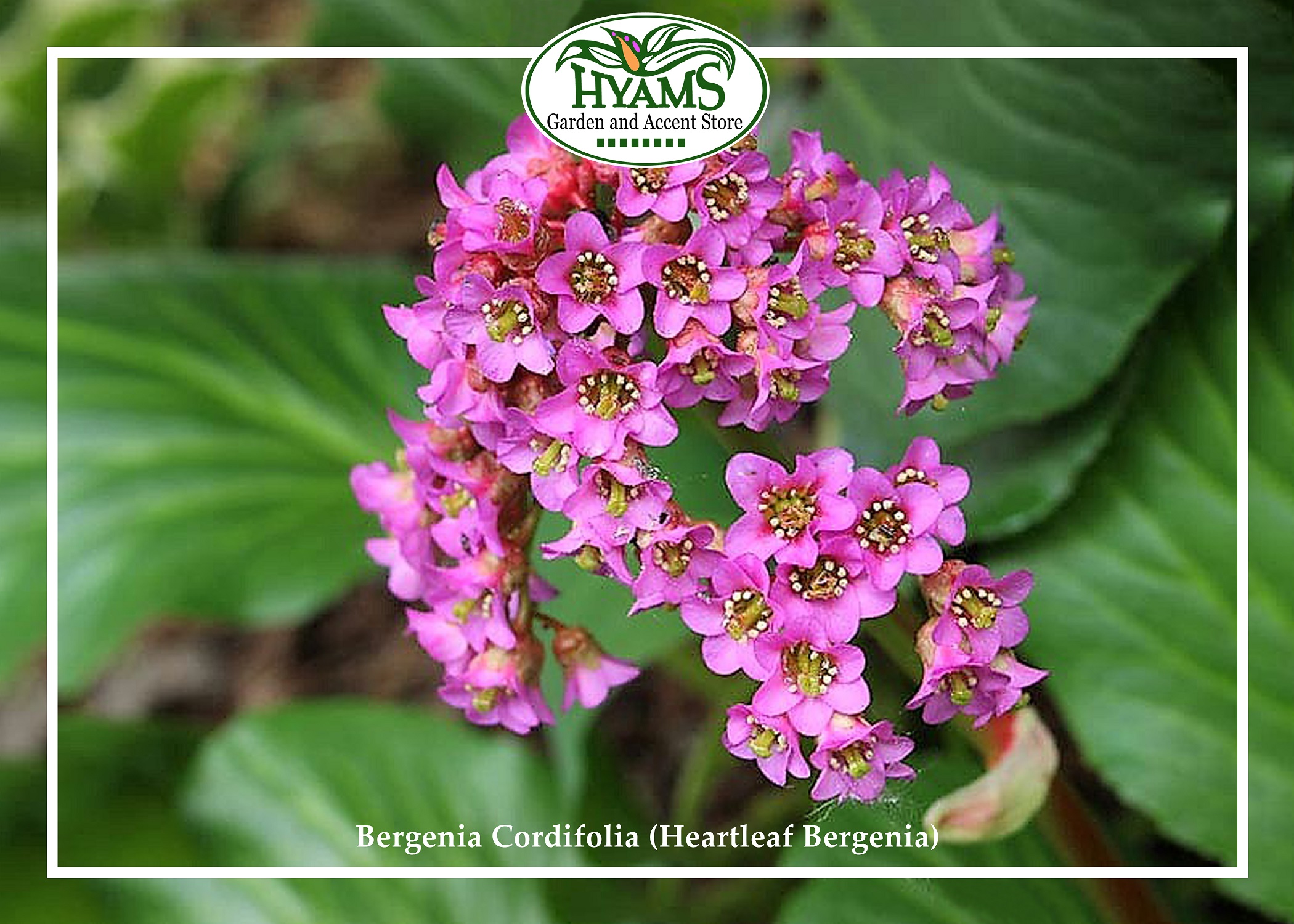
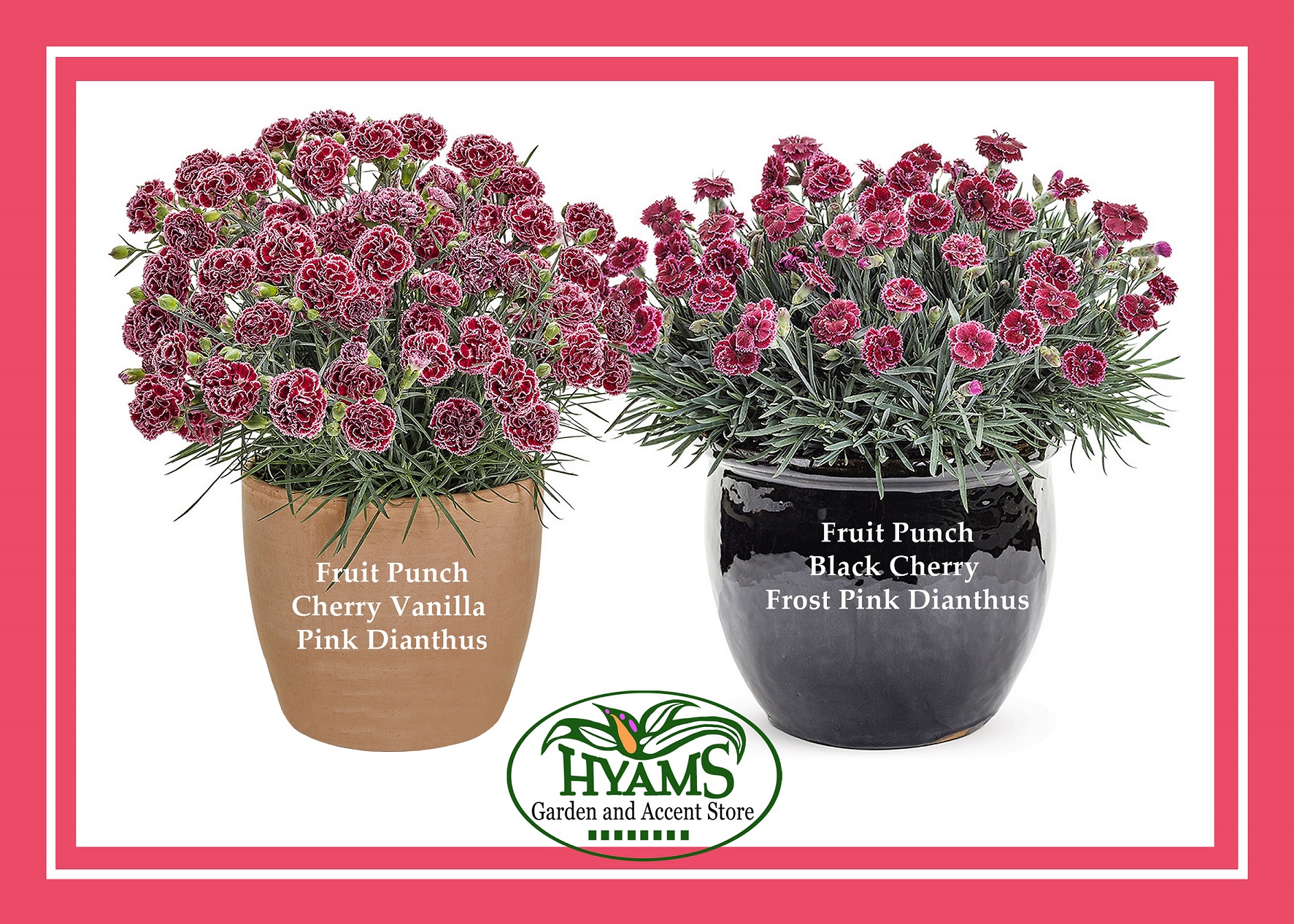
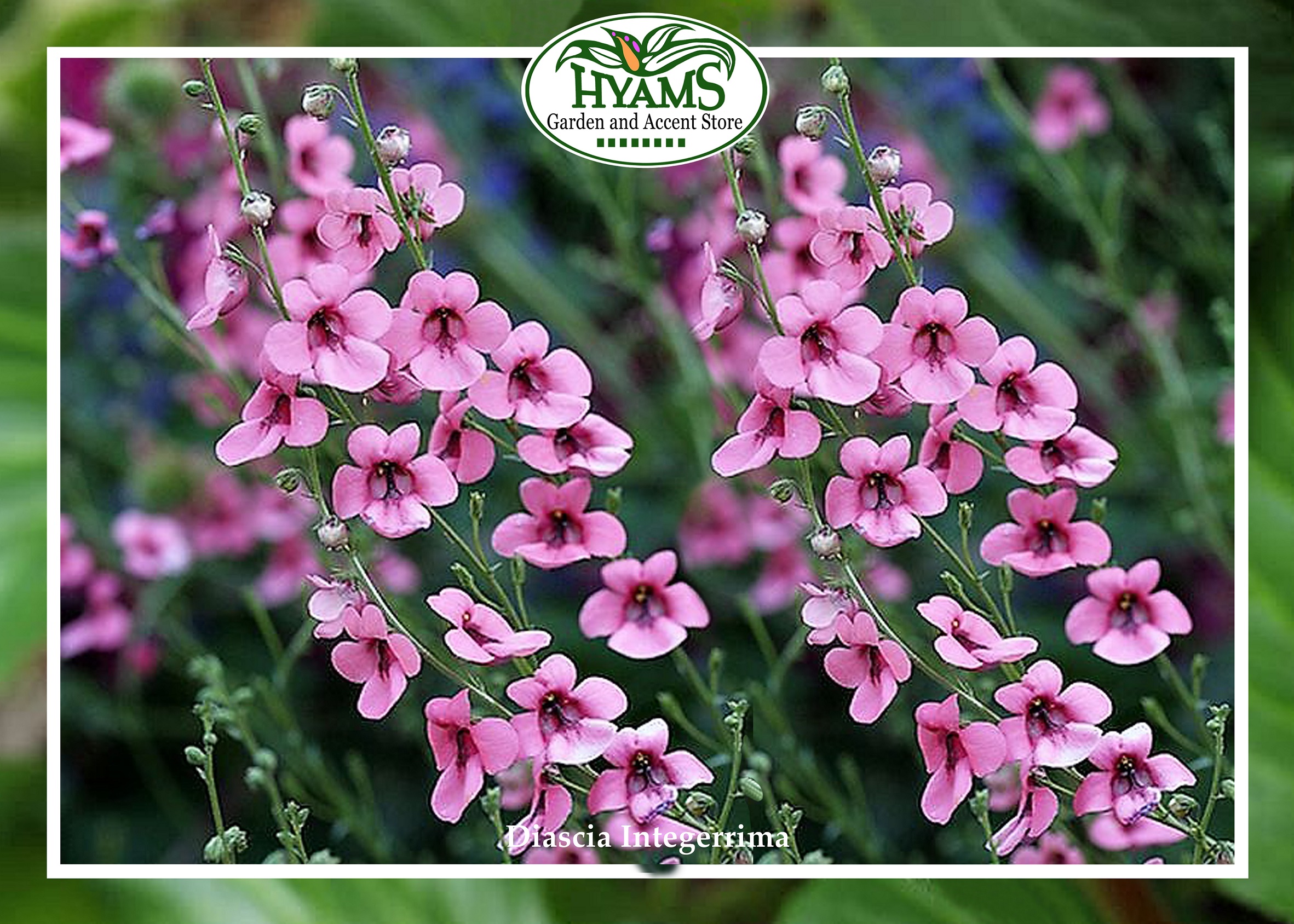
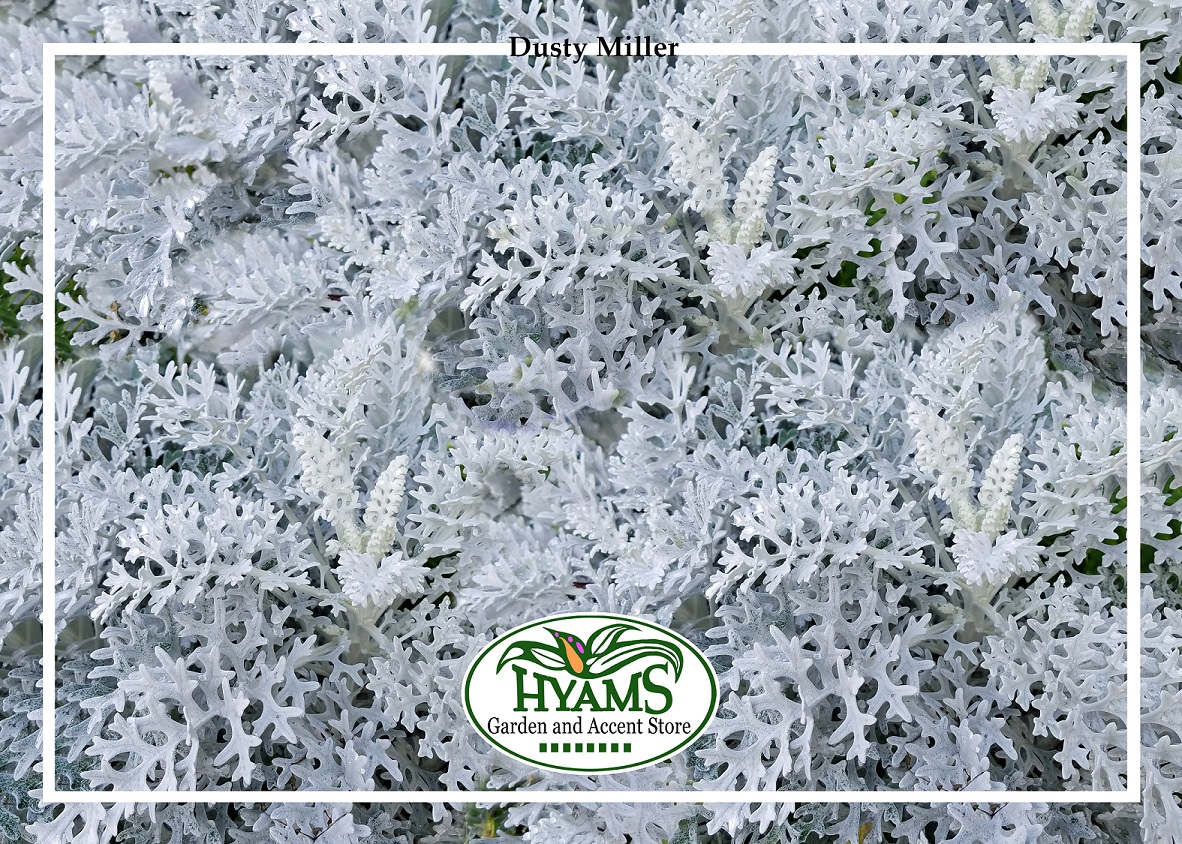
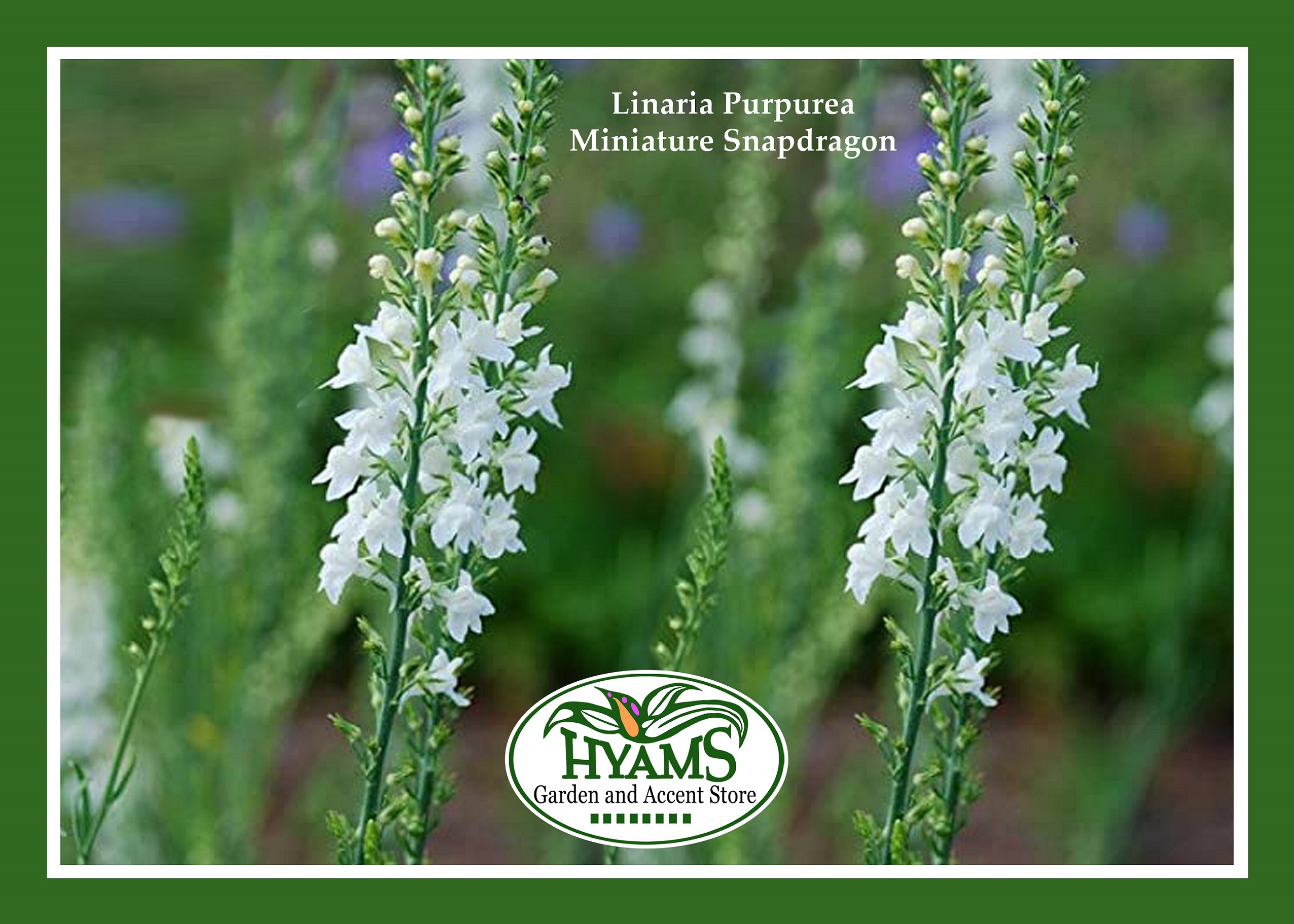
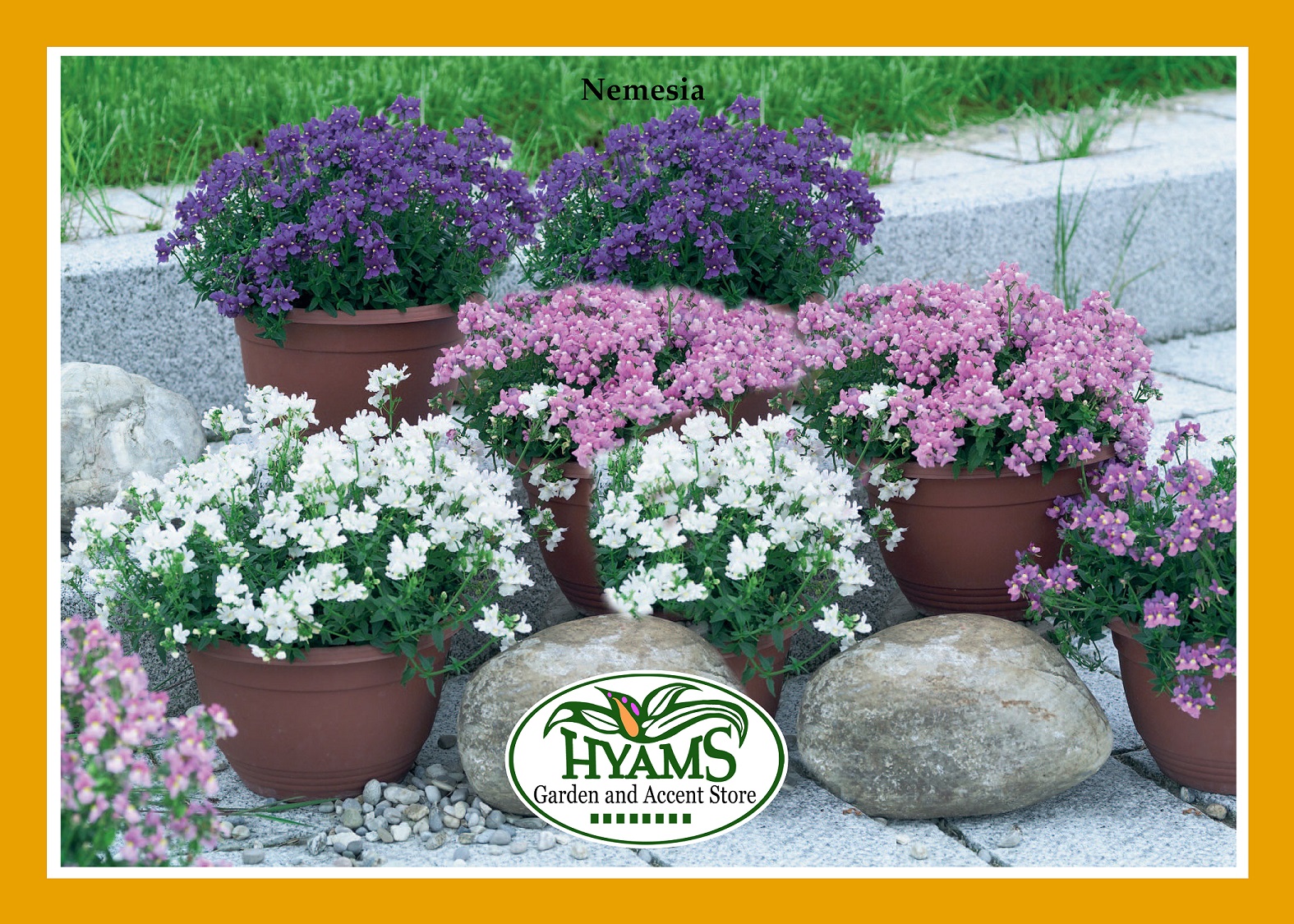
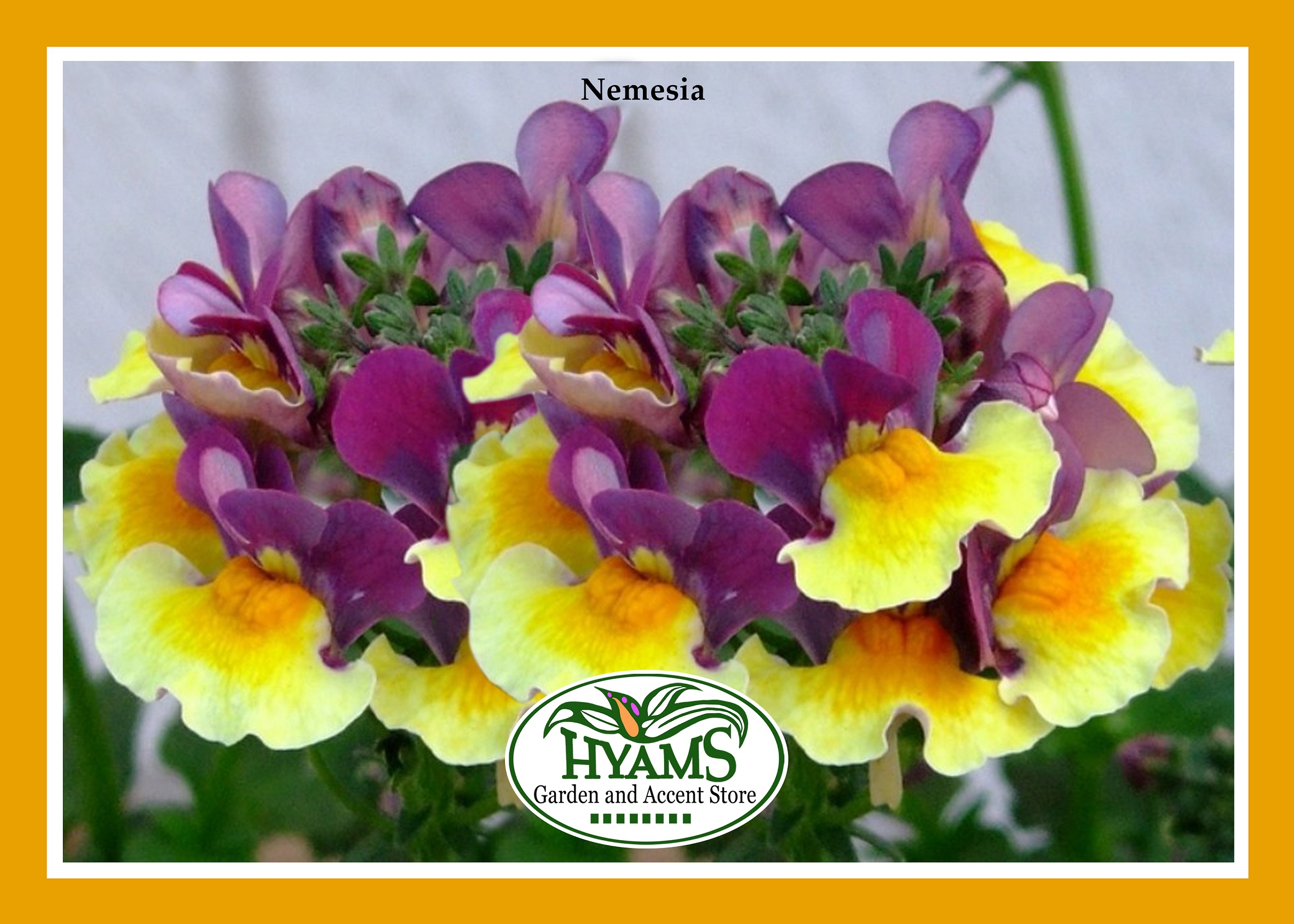
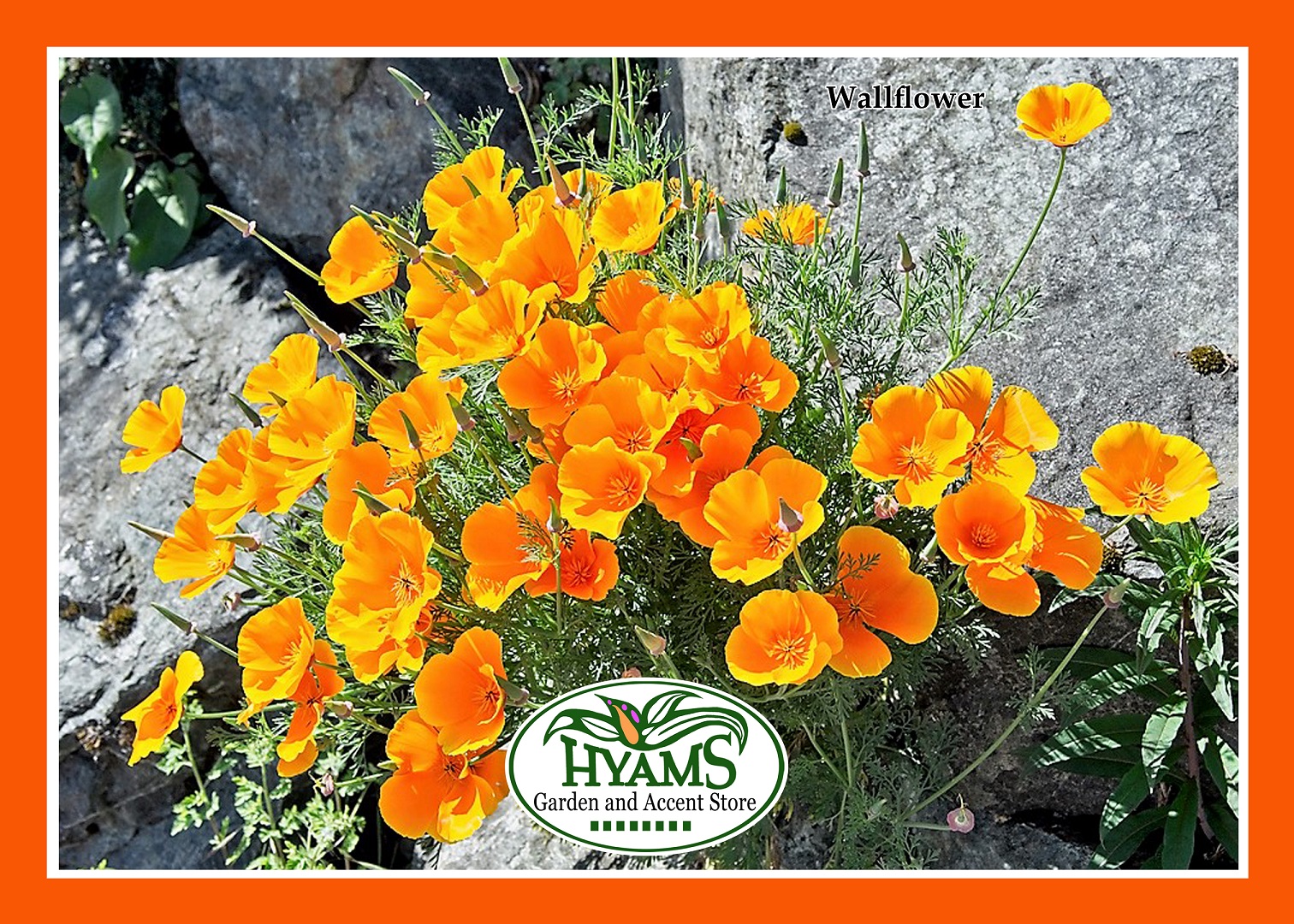
Winter annuals tolerate cold temperature and bloom even in cool season. Dianthus, viola, pansy, wallflower, bergenia, foxglove, dusty miller are some of the Winter Annuals that tolerate cold temperature up to 19 degrees. Diascia, nemesia, nierembergia, linaria (miniature snapdragon) survive a normal winter and tolerate temperature up to 24 degrees. The least cold tolerant are geranium, alyssum, lobelia and calendula as they do not tolerate temperature below 30 degrees.
Since the date of the first frost varies from year to year, it is difficult to predict how long different winter annuals will last each winter. Snapdragon and stock do not do well an unusually cold winter. Flower pots in the porch do provide us with a great opportunity to save some of the less-cold-tolerant winter annuals. Visit Hyams Garden Center to take home a winter annual of your choice to add color to your front or back porch.
Amaryllis Bulbs
Because of their stunning colorful blooms, AMARYLLIS bulbs have been given traditionally as Christmas Gifts to family and friends. Native to the subtropical regions of Americas, Amaryllis serve as a perfect gift to brighten the dark days of winter for our loved ones. This brightly colored flower is available in myriad color combinations and even rival the poinsettias as the official holiday plant. They primarily bloom in summer in their natural state in the ground. However, their bulbs can be potted and induced to re-bloom in the winter adding lively color to an indoor setting.
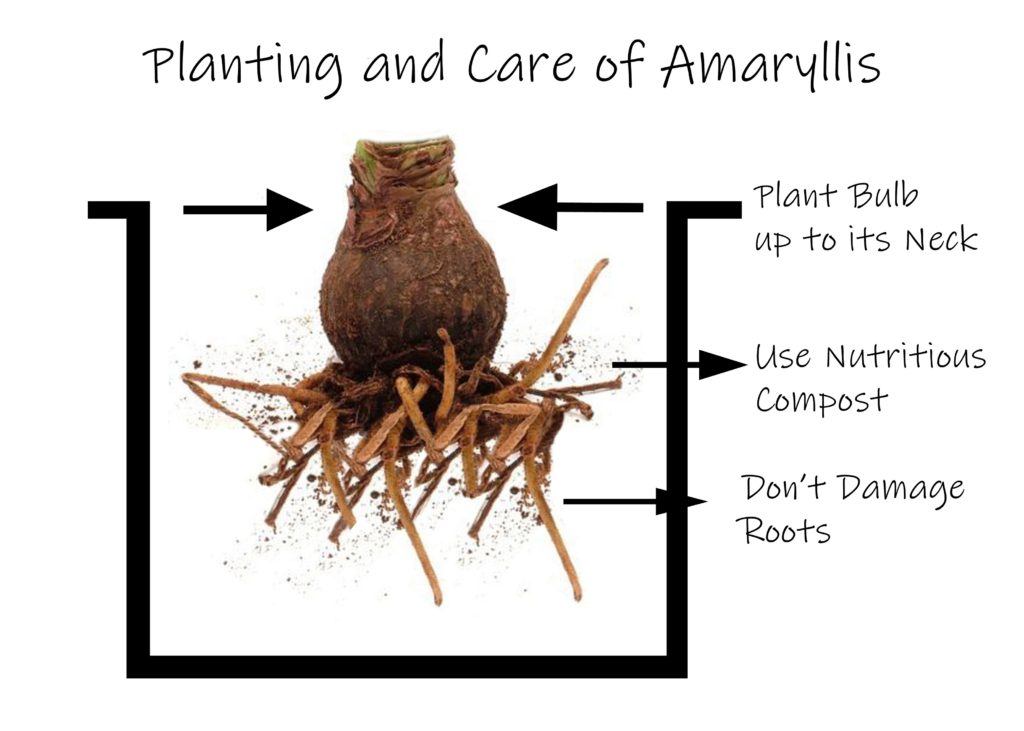
Planting
Plant bulbs in nutritious potting compost, many are available pre-mixed. Plant the bulb up to its neck in the potting mix with compost, being careful not to damage the roots. Press the soil down firmly to set the bulb securely in place after planting.
Placement and Watering
Plant the bulb, or place the potted bulb in a warm place with direct light since heat is necessary for the development of the stems. The ideal temperature is 68-70. Water sparingly until the stem appears, then, as the bud and leaves appear, gradually water more. At this point, the stem will grow rapidly and flowers will develop after it has reached full growth.
Flowering Period
Bulbs will flower in 7–10 weeks as a general rule. In winter the flowering time will be longer than in spring. Set up your planting schedule between October and April with this in mind.
After-Bloom Care
After-Flowering: After the amaryllis has stopped flowering, it can be made to flower again. Cut the old flowers from the stem after flowering, and when the stem starts to sag, cut if back to the top of the bulb.
Leaf Growth and Development: Continue to water and fertilize as normal all summer, or for at least 5-6 months, allowing the leaves to fully develop and grow. When the leaves begin to yellow, which normally occurs in the early fall, cut the leaves back to about 2” from the top of the bulb and remove the bulb from the soil.
Bulb Storage: Clean the bulb and place it in a cool (40-50), dark place such as the crisper of your refrigerator for a minimum of 6 weeks. Caution: Do not store amaryllis bulbs in a refrigerator that contains apples, this will sterilize the bulbs. Store the bulbs for a minimum of 6 weeks.
Plant Again: After 6 weeks you may remove the bulbs whenever you would like to plant them. Plant bulbs 8 weeks before you would like them to bloom.
GROWING AMARYLLIS: Gardeners in areas where temperatures do not go below 10 (Zones 8-10) can plant Amaryllis bulbs directly in the ground. Choose a site with full sun (at least 6-8 hours of direct sun daily) and well-drained soil. In frost-free areas, plant the bulb with the neck at, or slightly above, ground level. Once growth starts, water only if rain is infrequent and the top two inches of soil are dry. After the leaves appear, fertilize with a balanced fertilizer (such as 10-10-10); repeat once a month through April. From June through September, keep the area dry. If leaves turn yellow, cut them off at the base.
POTTING AMARYLLIS: Pot bulbs individually in 6-7” pots or group 3 bulbs together in a 10-12” container. Begin by placing a well-drained potting mix in a plastic tub. Slowly add warm water and stir with your hand until the mix is moist but not soggy. Then fill the pot about half with potting mix, set the bulb on top of the mix and fill in around the bulb with additional mix. Adjust the position of the bulb as needed, so that the top third of the bulb is exposed. The final level of the mix should be about ½” below the rim of the pot to allow for watering. Firm the mix and water lightly to settle it around the bulbs. Then follow the “Pre-bloom Care” instructions below.
PRE-BLOOM CARE OF AMARYLLIS: Place the pot where the temperature remains above 60. The warmer the temperature (70-80
night and day is ideal), the faster the bulb will sprout and grow. Providing bottom heat (by setting the pot on a propagation mat or on the top of a refrigerator) may help stimulate growth. Water only when the top inch of the potting mix is dry to the touch. Watering more frequently, particularly just after potting, can cause the bulb to rot. (If the pot is covered with Spanish Moss, lift the moss and pour water directly on the potting mix.)
Growth generally begins in 2-8 weeks. Certain varieties of Amaryllis may take more time to sprout. As long as your bulb remains firm, be patient and take care not to overwater. Provide ample sunshine (a south-facing window or a sunroom) as soon as the bulb sprouts. Rotate the pot frequently to prevent the flower stalks from leaning toward the light.
HOW TO GROW AMARYLLIS BULBS IN WATER
Using a Shallow Container: Select a wide, shallow container no deeper than 4” with enough room to fit as many amaryllis bulbs as you want. Fill it halfway with gravel or stones. Place gravel or stones around the bulbs until only the tip 1/3 of the bulbs is visible. The gravel holds the bulbs steady and ensures that they remain upright. Add enough water to the container to fill the bottom but not touch the bulbs. The roots will grow down into the water. Don’t let waster touch the bulb. It will cause it to rot. Place the container in a cool, dark room until you see root and top growth, about 2 to 3 weeks. Check the water level daily. The room should remain at 50-60℉. Using an unheated garage is ideal. Move the container into a bright room, but keep it out during the day and do not fall below 60℉ at night. Check the water level daily. It should still not reach the bulbs. The amaryllis will bloom in 6 to 8 weeks after being moved into the bright room and should last for 4 to 6 weeks.
Using a Glass Vase: Select a glass vase narrow enough to keep the amaryllis bulb in the neck, or use a forcing vase. Fill the bottom of the vase with water. Place the bulb in the vase, making sure it does not touch the water. Place the vase in a cool, dark room until you see root and top growth, about 2 to 3 weeks. Move the vase into a bright room but keep it out of direct light. You will have blooms in 6 to 8 weeks.