• Skip to primary navigation
  • Skip to main content
  • Skip to primary sidebar

Hyams Garden Center and Accent Store

Serving Greater Charleston Area with Quality, Variety & Professionalism since 1981

  • Garden Center
    • Plants
    • Fountains, Statuary and Garden Décor
    • Planters & Pots
    • Garden Supplies
    • Hyams Gift Cards
  • Gardening Wisdom
    • Hear the Flowers Whisper
    • What does the Gardener say?
  • Services
    • Delivery and Planting
    • Fountain Installations
    • Custom Designed Pots, Containers & Window Boxes
    • Diagnostic Center
    • Special Orders
    • Christmas Tree Delivery & Set up
  • Accent & Gift Store
    • Home Décor & Gift Items
    • Life like Botanicals and Flowers
    • Wreaths, Bows & Ribbons
    • Candles
    • Seasonal Décor
    • Christmas Décor
    • Greeting Cards for All Occasions
    • Hyams Gift Cards
  • About Us
    • Location and Hours of Operation
    • Contact Us
    • Meet Our Team
  • Inventory
    • Bedding Plants
    • Bulbs
    • Fruit Trees & Plants
    • Garden Supplies
    • Hanging Baskets
    • Nursery
    • Topiaries
    • Trees
    • Tropicals
    • Vegetables & Herbs
    • Water Plants

Garden Center

May 19, 2021 By Hyams Garden Center

BRIGHTEN YOUR SUMMER GARDEN with PERENNIALS

PERENNIALS are plants that can flower every year. Though their stems die back during the winter months, you can look forward to their regrowth and joyful splash of color and beauty as the seasons warm up. Here are some interesting facts about hardy perennials you can look forward to growing in your Charleston garden.

Black Eyed Susan (Scientific Name: Rudbeckia Hirta)

Black-eyed Susan, belonging to the sun flower family, is an erect herbaceous perennial that may grow 2 to 3 feet tall. The many yellow daisy-like flowers with a brownish-purple center first mature in early summer and continue into the fall. Black Eyed Susan can be likened to sunshine on a stem with their bright corona of yellow petals. They are true sun loving flowers and as such prefer to be planted in full sun. They are drought resistant and can be planted in a variety of soils but prefer those with a neutral pH. Deadheading them as flowers fade encourages more blooms. Appropriate watering and occasional fertilizing with a 12-6-6, such as Hi-Yield Growers Special, will help bring out the best in your Black Eyed Susan.

Black Eyed Susan symbolizes encouragement and motivation.

Lily of the Nile (Scientific Name: Agapanthus Africanus)

This elegant perennial from the amaryllis family of bulbs, blooms from May through July. When not in flower, its green leaves remain attractive throughout the year. Not only is it beautiful but it is also deer resistant. Agapanthus can thrive in full and partial sun which makes it a versatile addition to your garden design. If you prefer a tall, graceful flower stalk, the large cultivars can reach 3 to 3.5 feet. If smaller is better, the dwarf varieties will yield a stalk of 2 to 2.5 feet. Agapanthus grows in a number of soil types. It thrives best in moist, fertile, well-draining soil. Though most varieties are not generally picky about soil pH, the Agapanthus Africanus, prefers a more acid soil. An early spring and early summer fertilizing with a balanced 10-10-10 will keep them blooming happily throughout the season.

Agapanthus derived its name from two Greek words, Agape (love) and Anthos (flower). Thus, it can be translated as the ‘flower of love’or ‘lovely flower.’ This flower is a symbol of love and can also symbolize fertility, purity and beauty. Agapanthus is commonly known as ‘Lily of the Nile’ in USA but in the UK this flower is called ‘the African Lily.’ It is originally from South Africa. 

Butterfly Ginger (Scientific Name: Hedychium coronarium)

Butterfly Ginger is originally a native of the Eastern Himalaya region of India, Nepal and Bhutan. However, it finds a happy home in Charleston’s hot and humid summers. It can grow to heights between 3 to 6 feet and spread 2 to 3 feet wide.  As a member of the Asian marginal rainforest community, Butterfly Ginger thrives in partial shade with rich, moist, acidic soil that drains well.  Morning sun is preferable as the afternoon sun can be too intense and cause leaves to curl. It will benefit from regular use of a balanced fertilizer such as Osmocote Flower and Vegetable. Beginning in August, it produces very fragrant, showy flowers with two broad lobes resembling wings of a butterfly. It will provide a spectacular, aromatic, tropical display in your summer garden.

Butterfly ginger flowers symbolize strength and can also represent limitless prosperity and diversity in the personality.

Mexican Bush Sage, (Scientific Name: Salvia Leucantha)

Salvia produces a spikey flower that comes in a variety of colors. Among the most attractive varieties is the Mexican Bush Sage. It is a perennial evergreen shrub that can grow in height and width between 4 -6 feet, producing showy, velvety flower spikes of purple and white from late summer to first frost. It is a favorite of both butterflies and hummingbirds but ignored by deer and rabbits. It prefers full sun but can tolerate some shade. It likes loam soil (composed of sand, silt and smaller amount of clay) which is well-draining and moderately acidic to slightly alkaline ranging from 5.5 to 6.5 on the pH scale. Though it does not require a fertilizer it can benefit from a light feeding of a balanced blend such as Espoma Organic Holly Tone.

Salvia Leucantha flowers symbolize thoughtfulness, longevity, wisdom and good health. The plant is known for its healing properties.

Trailing Lantana, (Scientific Name: Lantana Montevidensis)

Lantana is prized for its long season of reliable bloom as well as for attracting butterflies and hummingbirds. It comes in a variety of colors and is easily maintained. It is tolerant of many soil types and especially likes those that are well draining and slightly acidic. It is also tolerant of salt and therefore is popular for gardens near beaches. Lantana benefit from light fertilizing in the Spring. Over-fertilizing and too much shade will decrease flowering and make the plant susceptible to disease. 

Trailing Lantana symbolizes rigor, ‘I am unyielding’ and severity.

Society Garlic (Scientific Name: Tulbaghia Violacea)

Native to the grasslands of Southern Africa, Society Garlic produces fragrant, dainty, tubular, star flowers in lavender or pink. It blooms on and off throughout summer and into fall. It can grow 12 – 20 inches high and 9 – 12 inches wide. Though the flower fragrance resembles hyacinth, leaves and rhizomes, when bruised, exude a strong garlic essence making it wonderfully deer resistant. It can also help ward off insects.

Society Garlic grows best in full sun with well-draining soil that is moderately fertile and rich in organic matter. Soggy soil will cause bulbs to rot. Fertilize annually in early spring with a general-purpose slow release granular such as Hi-Yield Growers Special.

A few fun facts about Society Garlic include flowers and leaves being edible and can be used in soups and salads. It is also used to treat infectious diseases owing to its antimicrobial potential. In South Africa it is used to treat fevers, colds, asthma and tuberculosis. Society Garlic (Tulbaghia Violacea) which is also known as Pink Agapanthus symbolizes enduring Spiritual Beauty and Purity.

Daylily, (Scientific Name: Hemerocallis)

Daylilies have a reputation for being rugged plants. They can withstand summer droughts and are able to tolerate heavy clay soils. Choosing a location that gets at least 6 hours of sunlight and is away from tree roots will set the stage for your daylilies to perform at their best. Use a rich, organic well-draining soil such as Promix Garden Mix. Ready-to-use, this peat-based garden mix is perfect for planting in-ground outdoor plants as well as improving the quality of existing garden bed soil. Once planted ensure your day lilies are watered well and regularly. As their name suggests, these flowers open in early morning and wither during the following night. However, generally as one flower fades another is preparing to take its place. They start in early May and continue for 6 weeks or more. Repeat bloomers, such as Stella D’Oro, will reprise their colorful displays again in late summer.

The day lily is a flower that represents the sacrifice that a mother makes for her child. It can also represent the filial devotion that a child has to his or her own mother. It can have many other meanings besides this, too. For example, if the day lily is poised in a cheerful fashion, it indicates good luck.

African Iris (Scientific Name: Dietes vegeta)

African Iris which is also commonly known as African day lily or Butterfly flag or Fortnight lily is a species of plant in the family Iridaceae. It has white flowers marked with yellow and violet, with six free petals that are not joined into a tube at their bases. These flowers last only one day. This is another beautiful flower native to South Africa but very happy to thrive in the hot and humid climate of Charleston. It is a dependable, long-lived perennial that bloom from spring through fall. Its 3-inch, beautiful blooms sit atop flower spikes that reach 2 to 5 feet tall. It forms into a dense clump 9 to 12 inches wide and 18 to 24 inches tall. A very versatile plant, the African Iris tolerates standing water as well as drought conditions. For a full flower display, plant in full sun, water regularly and fertilize in spring and midsummer with a 5-10-5 such as the Espoma Garden Food 5-10-5.

African Iris is named after the ancient Greek goddess, Iris, who was believed to be a messenger of the gods. Iris used rainbows to bridge the gap between earth and heaven, and the ancient Greeks believed that the rainbow was quite literally the flowing, multi-colored robes of this beautiful goddess. That is why African Iris symbolizes royalty and valor.

Filed Under: Garden Center, Gardening Wisdom, What Does the Gardener Say? Tagged With: Black Eyed Susan (Rudbeckia Hirta), Butterfly Ginger (Hedychium Coronarium), Daylily (Hemerocallis), Lily of the Nile (Agapanthus Africanus), Mexican Bush Sage (Salvia Leucantha), Perennials, Society Garlic (Tulbaghia Violacea), Summer Garden, Trailing Lantana (Lantana Montevidensis)

April 14, 2021 By Hyams Garden Center

Time to apply Lawn Fertilizer

It is time to apply 15-0-15 Centipede Lawn Fertilizer. This works on all types of warm season grasses we grow, namely, St. Augustine, Centipede, Zoysia and Bermuda. This formulation will ease your grass into fully greening up. Once that happens, you can go after any weeds you may have. Please avoid using “Weed & Feed” products until your grass is fully greened up and actively growing. You can also put down any fungicides or insect controls to prevent problems you may have had last year. Feel free to email me at rhowie@hyamsgardencenter.com with any questions. Our phone lines have been overwhelmed with calls and may be hard to get through. (Randy Howie)

Filed Under: Gardening Supplies, Gardening Tips, Gardening Wisdom, What Does the Gardener Say? Tagged With: 15-0-15 Centipede Lawn Fertilizer, Bermuda Lawn Grass, Centipede Lawn Grass, Lawn Fertilizer, St.Augustine Lawn Grass, Warm Season Lawn Grasses, Weed & Feed, Zoysia Lawn Grass

April 14, 2021 By Hyams Garden Center

Designing a Butterfly Garden

Butterflies are flowers with wings. These winged beauties delight our hearts as they flutter around in our garden. If you are designing a ‘Butterfly Garden,’ then you need to pay attention to some of the following points.  

CLIMATE
Butterflies usually make their appearance in the spring once temperatures are above 60 degrees Fahrenheit, and stay around through autumn. Butterflies fly best when their body temperature is between 85 and 100 degrees. If temperatures dip below 80 degrees, you may spot butterflies basking in the sun with their wings outstretched, absorbing the heat. A flat rock is often included in butterfly gardens for this purpose.

SHELTER
Butterflies require a sheltered location to rest and seek protection from bad weather. During the night they roost on the underside of leaves or hide in shrubs and tall grasses.

PUDDLES
Often times you will observe a crowd of butterflies around puddles of water, this is known as “puddling.” It is thought that butterflies are attracted to puddles because they contain and dissolve minerals in which butterflies need to supplement their diet. You may think about placing a shallow birdbath or shallow dish in your garden to attract butterflies.

HIBERNATION
Except for the migratory Monarch butterfly, most butterflies hibernate at the same place that they spend their summer. Butterflies look for places such as loose bark, wood piles, or buildings to hibernate in. Some butterflies over-winter as adults, others as pupa and some as caterpillars. Many people like to place a “Butterfly House” in their gardens, meant to provide shelter to some species for hibernation. Situate your “Butterfly House” in the woodiest section of your garden, near a host plant to increase your chances of occupation.

Shrubs, Trees, Perennials and Annuals that are suitable for a BUTTERFLY GARDEN

Butterflies play an important role in pollinating plants. They thrive around shrubs, trees, perennials and annuals that provide them nectar. It is a sugary solution that gives adult butterflies their energy. However, a sensible butterfly garden designer also thinks of the caterpillars. They do not eat nectar but live on leaves and plants. Shrubs, trees, vegetables and even pesky weeds are host plants for caterpillars. Female butterflies lay their eggs only on suitable host plants as the emerging young ones cannot travel far to find food. Since caterpillars heavily munch on the plants, it may be a wise gardening strategy to plant them in areas of the garden that are not easily visible to visitors.     

Butterfly Shrubs and Trees

Abelia (glossy)
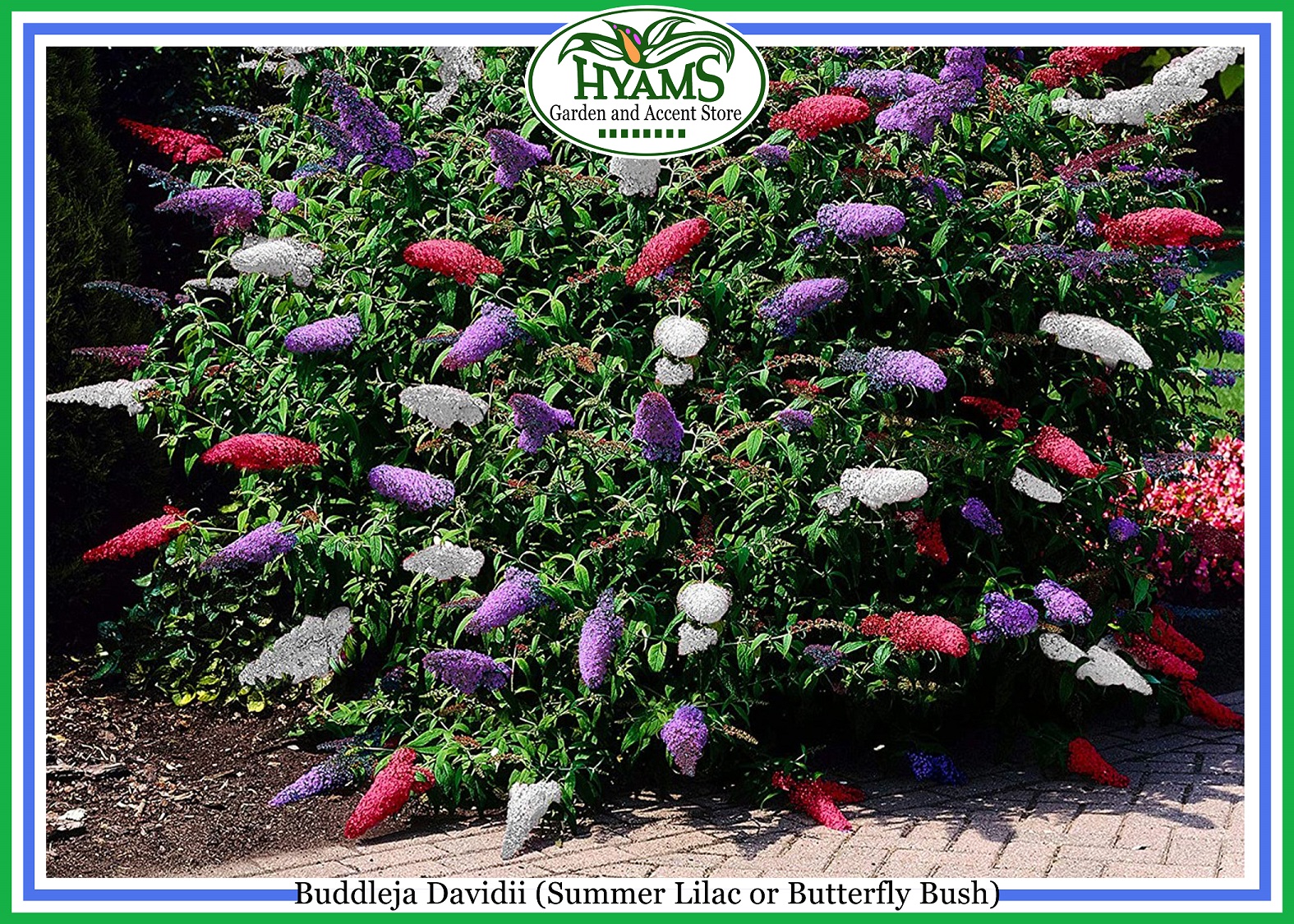
Buddleia or Butterfly Bush (Buddleia Davidii)
Blueberry (Vaccinium species)
Citrus
Hawthorn (Crataegus species)
Privet (Ligustrum spp.)
Red bud (Crecis)

Butterfly Annuals

Cosmos
Dill
Fennel
Globe Amaranth (Gomphrena globosa)
Impatiens
Marigolds
Nasturtium
Parsley
Sunflower
Queen Anne’s lace
Verbena
Zinnia

Butterfly Perennials

Ageratum
Aster
Bee-balm (Monarda)
Black-eyed Susan (Rudbeckia)
Bugle (Ajuga Reptans)
Butterfly weed (Asclepias tuberosa)
Chives
Coneflower (Echinacea purperea)
Coreopsis
Daylily (Hemerocallis species)
False Indigo (Baptisia australis)
Gayfeather (Liatris species)

Godenrod (Solidago species)
Hibiscus
Hollyhock (Altheaa rosea)
Joe-Pye Weed
Lantana (Lantana camara)
Lobelia (Lobelia cardinalis)
Milkweed (Asclepias species)
Passion Flower (Passiflora)
Phlox (Phlox paniculata)
Sage (Salvia leucantha)
Sedum
Verbena
Yarrow (Achillea species)

Filed Under: Garden Center, Gardening Tips, Gardening Wisdom, Green House, What Does the Gardener Say? Tagged With: Annuals for a Butterfly Garden, Butterfly Garden, Caterpillars, Perennials for a Butterfly Garden, Shrubs for a Butterfly Garden, Trees for a Butterfly Garden

March 18, 2021 By Hyams Garden Center

Raised Bed Gardening

Lots of people like to have ‘Raised Garden Beds’ to grow flowers, herbs and vegetables. These are relatively easy to construct and maintain. Raised Bed gardening has many benefits.

What is a ‘Raised Garden Bed?’

A raised garden bed is basically a large planting container that sits above ground and is filled with soil and plants. It is a box with no bottom or top, that is to say, a frame which is placed in a sunny spot and is filled with good quality soil to cultivate vegetables, herbs and flowers. For many a ‘Raised Garden Bed’ is a source of pride and pleasure and is a centerpiece of their garden.

Dimensions of a ‘Raised Garden Bed’

A ‘Raised Garden Bed’ does not have to be very deep to be effective. Vegetable beds should be 12 to 18 inches deep. Plants that require drier soil may need taller boxes with porous growing medium. ‘Raised Garden Beds’ come in different dimensions. However, most people start with a 4 feet wide, 4 feet long and 1 foot deep (4x4x1) bed. This dimension is easier to maintain as the gardener can access it comfortably from all sides. Larger dimensions make it harder to weed and harvest.  Multiple beds of the same dimensions can be made and arranged aesthetically in the garden to grow different crops.

‘Raised Garden Beds’ need a location that has level ground and gets right amount of sunlight, that is to say, 6 to 8 hours per day.  The site for beds must be prepared by breaking up and loosening the soil underneath so that it is not compacted. Digging 6 to 8 inches deep and mixing the top layer of soil with the soil below a spade’s depth improves rooting. Because many plants require well-draining soil, placing rocks in the bottom of a raised bed to create additional drainage space below the soil is a sensible step. Unlike soil, rocks will not degrade or compact over time.

Wood, Concrete or Galvanized Metal for the Raised Bed?

A ‘Raised Garden Bed’ can be constructed using wood or galvanized metal. Using the right wood to make the boxes is very important. CCA pressure-treated wood is banned as it can leach arsenic into the soil. Regular pressure-treated lumber can be used as it is certified safe for organic growing. Cedar is the most preferred option as it contains natural oils which protect it from moisture breakdown and can last the longest, however, it can be more expensive.  Alternatively, some like to build their beds with concrete blocks or bricks. However, it is important to keep in mind that the contents of concrete can negatively impact the pH of the soil and will require frequent soil amendments. Galvanized metal works well for building raised beds because the zinc coating helps prevent the metal from rusting. Without galvanization, the metal’s constant exposure to soil and moisture would cause the beds to fall apart within a year or two of use.

The Right Organic Mix to fill a ‘Raised Garden Bed’

The soil blend that you put into your raised bed is its most important ingredient. More gardens fail or falter due to poor soil than almost anything else. Fill the beds with a mix of topsoil, compost, and other organic material, such as manure, to give your plants a nutrient-rich environment. The soil in a raised bed tends to dry out more quickly. During the spring and fall, this is fine, but during the summer, add straw, mulch, or hay on top of the soil to help it retain moisture. Frequent watering will be critical with raised beds, especially in the early stages of plant growth. Otherwise, raised beds need little maintenance.

For a vegetable and herb bed of 4 feet by 4 feet by 1 foot (4 x 4 x 1 or 16 cubic feet), we at Hyams Garden Center recommend the following soil recipe:

  • 1/3 Peat Moss – 1, 2.2 Compressed Bale = 5 cubic feet
  • 1/3 Stout Ollie (blended compost) – 4, 1.5 cubic feet bags = 6 cubic feet
  • 1/3 Vermiculite – 1, 4 cubic feet bag

For budget calculating purposes, the cost is approximately $4.75 per cubic foot as of summer of 2020.

For a 4 feet by 8 feet (4 x 8) raised bed the soil recipe would be the following:

  • 4 bags (2 cubic feet each) topsoil. Please avoid using topsoil from your yard, as it may contain weeds and pests.
  • 2 pails (3 cubic feet each) coconut coir (to improve drainage)
  • 2 bags (2–3 cubic feet each) compost or composted cow manure
  • 2-inch layer of shredded leaves or grass clippings (grass clippings should be herbicide-and fertilizer-free)

Benefits of a ‘Raised Garden Bed’

  • Garden chores are made easier and more comfortable thanks to less bending and kneeling. Save your knees and back from the strain and pain of tending the garden!
  • Productivity of plants is improved due to better drainage and deeper rooting.
  • Raised beds are ideal for small spaces where a conventional row garden might be too wild and unwieldy. Raised beds help to keep things organized and in check.
  • Planting in a raised bed gives you full control over soil quality and content, which is especially important in areas where the existing soil is rocky, nutrient-poor, or riddled with weeds.
  • Raised beds allow for a longer growing season, since you can work the soil more quickly in the spring in frost-hardened regions, or convert the bed into a cold frame in the fall.
  • Fewer weeds are seen in raised beds thanks to the bed being elevated away from surrounding weeds and being filled with disease-and weed-free soil.
  • Raised beds allow for easier square-foot gardening and companion planting.

When to Plant what in your ‘Raised Garden Beds’

For Charleston, a good time to introduce starter plants to the ‘Raised garden Beds’ for the Fall Planting Season is when temperatures during the day are in the mid-80s and the nights are in the mid to low 70s Fahrenheit.

A good time to directly sow seeds into the bed is mid-September to mid-October. The best seeds to sow are root vegetables like carrots, beets, turnip, etc.

Vegetables best suited for ‘Raised Garden Beds’ are (1) leafy greens, (2) onions, (3) tomatoes and (4) potatoes. 

Seed Planting: A Calendar for Charleston

JANUARYBeets CabbageCarrot Early PeasOnion Sets LettuceMustard RutabagaSpinach Turnips
FEBRUARYBroccoli CabbageCollards LettuceMustard Onion SetsPotatoes Irish RadishRutabaga Turnips, Parsley
MARCHBeans, Snap Beans Pole Beans Half RunnerBeans, Lima Broccoli Cantaloupes CollardsCorn Cucumbers Egg Plant LettucePeas Peppers Radish SquashTomatoes Turnips Watermelon
APRILBeans, Lima Cantaloupes, CornCucumbers Egg Plant LettuceOkra Peanuts PeppersSouthern Peas SquashTomatoes Watermelon
MAYBeans, Lima Cantaloupes, CornCucumbers Egg Plant LettuceOkra Peanuts PeppersSouthern Peas SquashTomatoes Watermelon
JUNEBeans, TomatoesEgg Plant OkraSweet Potato Sets  
JULYBeansCucumberEgg PlantOkraTomato
AUGUSTBeans, Beets, BroccoliCabbage Cauliflower CollardsCucumber Garlic KaleLettuce Mustard Onion SetsPeppers Rutabaga Squash, Turnip
SEPTEMBERBroccoli, KaleLettuce MustardOnion Sets RadishTurnip 
OCTOBERMustard Onion SetsRadish LettuceRutabaga SpinachTurnip 
NOVEMBEROnion SetsRadishSpinach  
DECEMBERBeetsCabbageCarrot  

Which Vegetables Grow Well Together

The chart below provides quick and easy references for not only which vegetables grow well together, but which to avoid planting together.

VegetableCompanion PlantDon’t Plant Together
AsparagusTomatoesNone
Beans (Bush or Pole)Celery, corn, cucumbers, radish, strawberries and summer savoryGarlic and onion
BeetsBush beans (not pole beans), cabbage, broccoli, kale, lettuce, onions, garlicPole beans
Cabbage Family (cabbage, broccoli, kale, Brussels sprouts)Beets, celery, dill, Swiss chard, lettuce, spinach, onions, potatoesPole beans
CarrotsBeans, tomatoesNone
CeleryBeans, tomatoes, cabbagesNone
CornCucumber, melons, squash, peas, beans, pumpkinTomatoes
CucumberBeans, corn, peas, cabbageNone
EggplantBeans, pepperNone
MelonsCorn, pumpkin, radish, squashNone
OnionsBeets, carrots, Swiss chard, lettuce, peppersAll beans and peas
PeasBeans, carrots, corn, cucumbers, radish, turnipGarlic, onions
PotatoesBeans, corn, peasTomatoes
SquashCorn, melons, pumpkinsNone
TomatoesCarrots, celery, cucumbers, onions, peppersCorn, potatoes, kohlrabi

Companion Planting and Organic Pest Control

Many old-fashioned vegetable gardens or kitchen gardens mix vegetables, herbs and flowers together. Not only does this type of garden look beautiful, but it also harnesses the power of nature to create an organic garden that naturally repels pests. Marigolds repel many species of insects. You can plant marigolds around tomatoes to inhibit the ugly green horn worms. These big insects can devour an entire tomato plant in one night. Plant marigolds around your entire vegetable garden to add bright color and keep the insect predators at bay.

Herbs add flavor to foods, and they can also discourage harmful insects. Nasturtium and rosemary deter beetles that attack beans. Thyme repels the cabbage worm. Chives and garlic deter aphids. Oregano, like marigolds, is a good all-purpose plant for the organic gardener who wants to deter most insects and pests. Plant herbs freely among vegetables, tucking basil, oregano, rosemary and chives in among the tomato and pepper plants. You can harvest the entire crop and make one great tasting dinner.

Companion Planting offers every gardener the chance to harness the power of nature for higher yields as well as natural, organic insect control. By tucking a few carefully chosen extra plants among the vegetables, you increase the garden yield and enjoy a bountiful harvest.

Vegetable Planting Guide

VegetableSeeds or Plants?When to Plant
Beans, snap or greenSow seeds directly into the gardenLate Spring (after danger of frost has passed)
BeetsSow seeds directly into the gardenEarly to Mid-Spring
BroccoliStart seeds indoors 6-8 weeks in spring or summer for fallTransplant into garden early spring or late summer for fall crop.
CabbageStart seeds indoors 8 weeks before last frost dateTransplant into garden early spring or summer for fall.
CarrotsSow seeds directly into the gardenMid to Late Spring
ChardSow seeds directly into the gardenEarly to Mid-Spring
CornSow seeds directly into the gardenLate spring (after danger of frost has passed)
EggplantStart seeds indoors 8-12 weeks before last frost dateTransplant into garden late spring.
LettuceSow seeds directly into the gardenEarly to Mid-Spring
PeasSow seeds directly into the gardenEarly to Mid-Spring
PeppersSow seeds indoors 8-12 weeks before last frost dateTransplant into garden late spring.
PumpkinSow seeds directly into the gardenLate spring (after danger of frost has passed)
RadishSow seeds directly into the gardenEarly to mid-spring
SpinachSow seeds directly into the gardenEarly to mid-spring or fall
SquashSow directly or start indoors 6-8 weeks before last frost dateLate spring
TomatoesSow seeds indoors 8-12 weeks before last frost dateTransplant into garden late spring.
ZucchiniSow directly or start indoors 6-8 weeks before last frost dateLate spring

Filed Under: Bedding Plants, Garden Center, Garden Store, Gardening Supplies, Gardening Tips, Gardening Wisdom, Nursery, What Does the Gardener Say? Tagged With: Benefits of a Raised Garden Bed, Companion Planting, Dimensions of a Raised Bed, Galvanized Metal Raised Bed, Organic Pest Control, Raised Bed Gardening, Right Organic Mix for Raised Garden Bed, Seed Planting Calendar for Charleston, Soil for Raised Garden Bed, Vegetable Planting Guide, Vegetables that grow together, When to Plant in Raised Garden Bed, Wooden Raised Bed

  • « Go to Previous Page
  • Page 1
  • Interim pages omitted …
  • Page 13
  • Page 14
  • Page 15
  • Page 16
  • Page 17
  • Interim pages omitted …
  • Page 21
  • Go to Next Page »

Primary Sidebar

Find us on Facebook

Hyams Garden & Accent Store

Recent Posts

  • The Garden at Dusk: Why Evening May Be the Most Beautiful Time in a Southern Garden
  • Beat the Heat: July Garden Care & Protection Tips
  • What was Blooming in Charleston in 1776?

Categories

  • Accent and Gift Store
  • Bedding Plants
  • Candles
  • Christmas Décor
  • Custom Designed Containers, Pots, Window Boxes and Baskets
  • Diagnostic Center
  • Everyday Gift Items
  • Featured Articles
  • Festive Décor for Various Seasons
  • Fountain Installations
  • Fountains
  • Garden Center
  • Garden Store
  • Gardening Supplies
  • Gardening Tips
  • Gardening Wisdom
  • Green House
  • Hear the Flowers Whisper!
  • Home and Garden Accents
  • Home Décor
  • Join Our Team
  • Life like Botanicals and Flowers
  • Nursery
  • Outdoor Décor
  • Planters and Pots
  • Seasonal Décor
  • Services
  • Statuary
  • Uncategorized
  • What Does the Gardener Say?
  • Wreathes, Bows and Ribbons

Copyright © 2026 HyamsGardenCenter.com